www.asiaone.com:443 ·
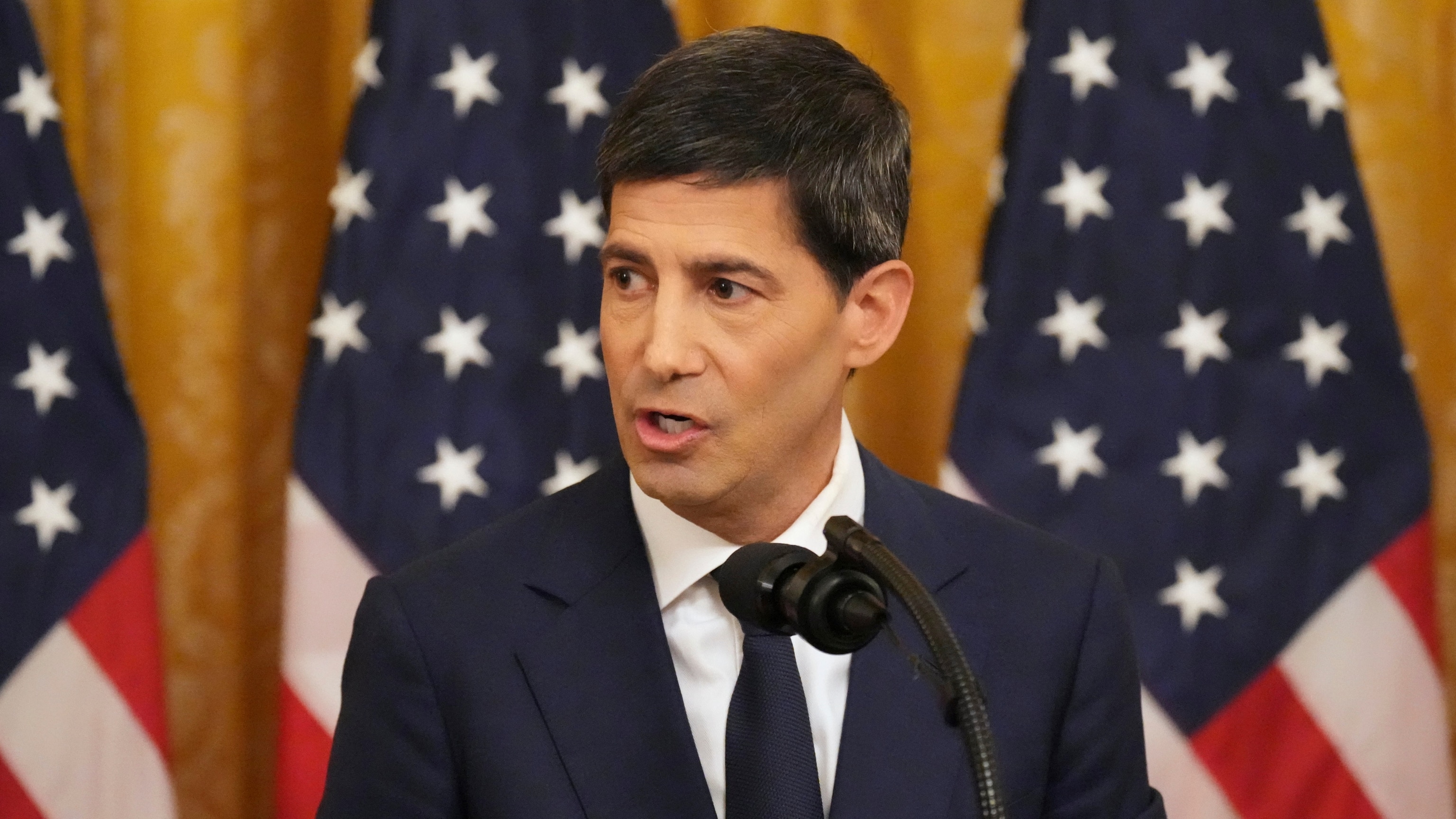
All Eyes Turn Fed Chair Kevin Warsh and His First Moves Interest Rates

News Analysis — AI Analysis
Original analysis generated by News Analysis. This is our own commentary on the story, not the publisher's article text.
Attention is focused on new Federal Reserve Chair Kevin Warsh as he prepares for his first policy meeting and subsequent press conference. Analysts anticipate that Warsh will adopt a neutral approach to interest rates, given the current economic challenges of high inflation and improved hiring. The Fed is widely expected to maintain its key rate while adopting language suggesting caution rather than immediate rate cuts.
Key points
- The market is closely watching Kevin Warsh's first policy meeting for clues on his stance regarding interest rates.
- Economists suggest Warsh will likely pursue a neutral policy due to the difficulty of cutting rates amid high inflation and improved job growth.
- Despite some hopes, the Fed is anticipated to keep its key rate steady but shift away from language suggesting an imminent rate reduction.
- The central bank's quarterly economic projections are expected to show no change in 2026, with potential cuts only in the following year.
- Warsh has previously criticized the practice of providing excessive 'forward guidance' to financial markets.
Claims assessed
- VerifiableThe Federal Reserve is widely expected to keep its key rate at about 3.6 per cent during the upcoming meeting.
- VerifiableWarsh's first public appearance as Chair will be pivotal for understanding his policy views on interest rates.
- VerifiableThe Fed is likely to drop language suggesting a rate cut and adopt more neutral wording instead.
- VerifiableWarsh may seek to eliminate the practice of providing detailed economic forecasts ('forward guidance') in the coming months.
Missing context
The article does not provide the specific rationale or data points that will guide Warsh's decision-making process beyond general mentions of inflation (4.2%) and hiring improvements.
Topic context
Related topics
The full article is on the original publisher site.
AI insight
AI-generatedThe persistent high cost of capital pushes Global Banking and EM Markets into downward trajectories (2-3 magnitude) over the short to mid-term. Key risk: The commercial inference relies heavily on the assumption that rates remain 'higher for longer'; if central banks signal an earlier rate pivot, the negative pressure could rapidly unwind.
The nomination and anticipated 'neutral stance' of the Fed Chair (Kevin Warsh) suggests continued monetary tightening or holding rates steady despite elevated inflation (4.2%). This signals persistent high cost of capital, impacting borrowing costs for corporate investment and consumer credit across global markets, particularly affecting EM economies reliant on stable interest rate cycles.
Signals our AI researcher identified
Extracted by our AI model from this article and related public sources — not direct quotes from the publisher.
- Kevin Warsh nominated to lead the Federal Reserve.
- First policy meeting scheduled for June 10.
- Inflation is at a three-year high of 4.2%.
- Fed expected to maintain key interest rate at approximately 3.6%.
Affected products & commodities
- Interest Rates
- Credit Availability
- Cost of Capital
Supply-chain signals
- Monetary Policy Cycle
- Federal Reserve Guidance
Historical parallels
- When central banks signal a 'higher for longer' rate environment (e.g., post-2022), corporate borrowing costs rise, leading to delayed capex cycles and increased pressure on highly leveraged sectors.
This analysis would be wrong if
If concrete data shows global commodity demand remains robust and resilient (e.g., sustained high China/India industrial output) OR if a major central bank issues explicit guidance confirming an imminent shift in the forward rate curve.
Mid-term deceleration in growth and increased debt servicing burden across many EM economies. Structural difficulty managing external debt persists.
Sign in to see all sector verdicts, full thesis and counter-argument debate.
Sector impact at a glance
- EM_MARKETSmid
- EM_MARKETSshort
- GLOBAL_BANKINGmid
- GLOBAL_BANKINGshort
- SP500_FINANCIALSmid
- SP500_FINANCIALSshort
Related stories

theglobeandmail.com
Article Premarket Stocks Rise as Spacex Fever Lifts Tech Yen Flat After Boj
abcnews.com
Eyes Turn Fed Chair Kevin Warsh Moves Interest
economictimes.indiatimes.com
G7 Allies Scramble to Put Ukraine Back Atop Trumps Agenda as War Drags on
timesleaderonline.com
Initial Deal to End US Iran War Moves Toward Formal Signing Despite Lingering Questions
wral.com