thesun.ng · · NG
Xenophobic Attacks Hra Urges South African Govt to Crack Down on Groups Targeting Migrants
News Analysis — AI Analysis
Original analysis generated by News Analysis. This is our own commentary on the story, not the publisher's article text.
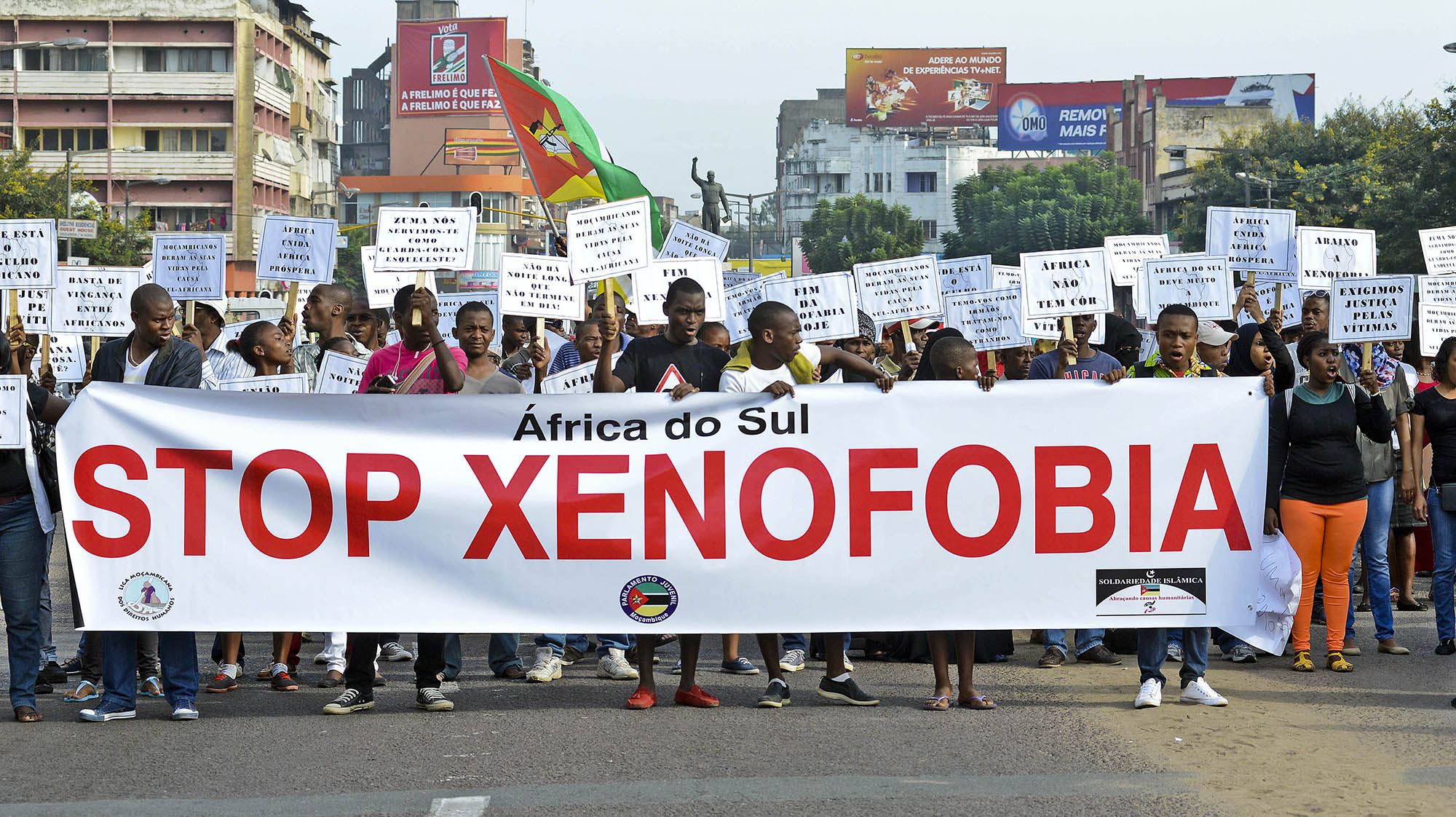
The Human Rights Association (HRA) has urgently called on the South African government to intervene and prosecute vigilante groups responsible for xenophobic violence against foreign nationals. The HRA reported that coordinated attacks, including assaults and looting, have targeted migrants from various Asian and African countries in major cities since April 2026. They stressed that this organized violence violates constitutional rights and demanded stronger enforcement of existing human rights laws.
Key points
- The HRA warned the South African government about a recurring pattern of xenophobic attacks targeting foreign migrants.
- Attacks, which included assaults and looting, were reported in major cities such as Johannesburg, Pretoria, and Durban between April and June 2026.
- The HRA criticized citizen-led anti-immigration protests, arguing they escalated into organized violence rather than legitimate protest.
- The association demanded that the South African Police Service investigate and prosecute all individuals involved in these attacks.
- HRA emphasized that constitutional rights guarantee equality regardless of nationality and urged authorities to curb online disinformation.
Claims assessed
- VerifiableForeign African and Asian migrants have been targeted by coordinated attacks across several South African cities between April and June 2026.
- VerifiableThe HRA believes the violence against foreign nationals is organized violence, not a legitimate protest movement.
- VerifiableThe South African Constitution guarantees equality and dignity for all persons within its borders, regardless of nationality or immigration status.
Missing context
The article does not provide details on the specific legal actions or investigations that have been initiated by the South African government in response to these reports, nor does it offer any counter-arguments from local authorities regarding the scale or nature of the violence.
Topic context
Related topics
The full article is on the original publisher site.
AI insight
AI-generatedCivil unrest pushes demand for specialized insurance coverage up sharply in the short term, while industrial and construction sectors face immediate operational disruption. Key risk: The ability to pass through increased security/logistics costs is uncertain due to potential regional supply mitigation.
The news describes civil unrest (xenophobic attacks) leading to physical damage and looting in major South African cities. This directly impacts the operational continuity, insurance sector, and general business confidence within the region. The primary commercial mechanism is increased risk/compliance cost for businesses operating in affected areas, potentially squeezing margins or raising local input costs due to instability.
Signals our AI researcher identified
Extracted by our AI model from this article and related public sources — not direct quotes from the publisher.
- Xenophobic attacks reported in Pretoria, Johannesburg, and Durban (April-June 2026)
- Attacks involved assaults, looting, and destruction of businesses
- Violence targets foreign nationals/migrants
- HRA urges South African government to prosecute vigilante groups
Affected products & commodities
- Business assets
- Local goods/services (due to looting/disruption)
Supply-chain signals
- Operational stability in South Africa's major urban centers
- Insurance coverage for civil unrest/looting
Historical parallels
- Civil unrest or political instability often leads to temporary supply disruptions and increased insurance premiums (e.g., post-conflict zones).
This analysis would be wrong if
If alternative regional supply routes or international development bank guarantees prove sufficient to mitigate cost shocks in logistics and financing, the magnitude of negative impact across EM_INDUSTRIALS and EM_CONSTRUCTION would be significantly reduced.
Long-term project viability is threatened by sustained political risk and regulatory uncertainty. Large infrastructure projects face cost increases (10-20%) over the next few weeks.
Sign in to see all sector verdicts, full thesis and counter-argument debate.
Sector impact at a glance
- EM_CONSTRUCTIONmid
- EM_CONSTRUCTIONshort
- EM_INDUSTRIALSmid
- EM_INDUSTRIALSshort
- GLOBAL_INSURANCEmid
- GLOBAL_INSURANCEshort
Related stories

morningstar.com
Week Ahead for Fx Bonds Fed Boe Among Slew of Central Bank Decisions
thesun.ng
Tinubus Broadcast and Nigerias Democracy of Hypocrisy

sueddeutsche.de
ukraine krieg newsblog hoehlenkloster kiew russland angriffe putin li.

philippinetimes.com
Efforts to Understand Drugged Driving in Colorado Stall Under Trump

brisbanetimes.com.au