www.wral.com ·
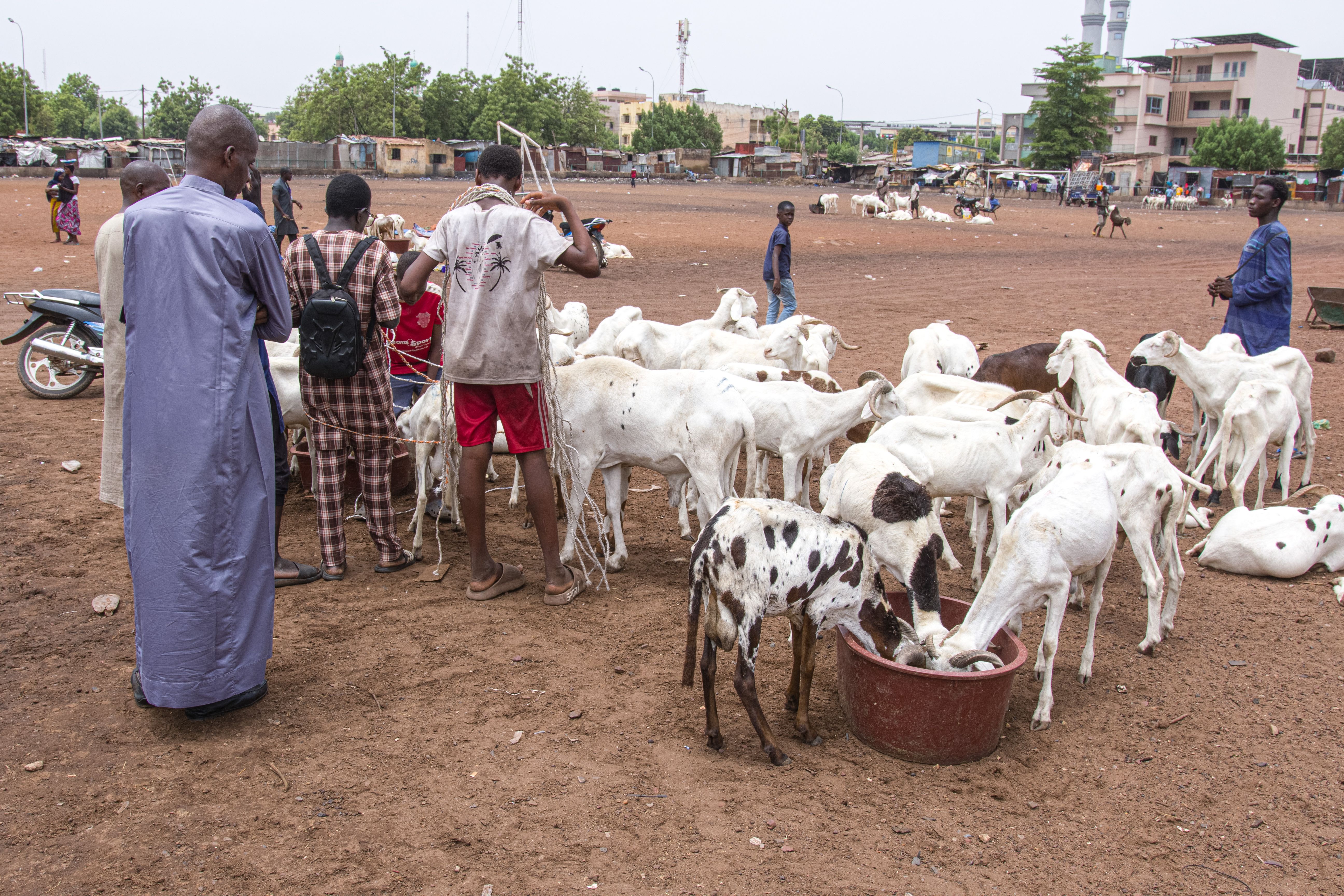
4011c a bitter eid al adha in malis capital as al qaida linked blockade sends sheep prices soaring
Topic context
This topic has been covered 298422 times in the last 7 days across our monitored publishers.
The full article is on the original publisher site.
AI insight
AI-generatedThe blockade in Mali directly affects the livestock market, causing a supply shortage and price spike for sheep. The impact is local to Mali (Bamako), with no global commodity price effect. The commercial mechanism is supply_shortage due to armed group blockade, affecting consumers and livestock traders. No specific company or margin impact identified.
Signals our AI researcher identified
Extracted by our AI model from this article and related public sources — not direct quotes from the publisher.
- Sheep prices in Bamako nearly doubled from $177 to over $266 due to al-Qaida linked blockade.
- Blockade by Jama’at Nusrat al-Islam wal-Muslimin disrupted livestock supply.
- Some residents substituting sheep with cows for Eid al-Adha.
- Military efforts to escort convoys and strike militant positions have not resolved supply issues.
- Livestock traders report drastic reduction in available sheep for sale.
Sheep prices in Bamako are expected to remain elevated 50-80% above pre-blockade levels due to ongoing supply issues; short-term impact persists.
Sign in to see all sector verdicts, full thesis and counter-argument debate.
Sector impact at a glance
- AGRICULTURE_FOODmid
- AGRICULTURE_FOODshort
- EM_MARKETSmid
- EM_MARKETSshort
Related stories

cnn.com
Economy Inflation Affordability Breaking Point
rediff.com
Ex Bdo Arrested in New Town Murder Case
hellenicshippingnews.com
What Is Behind the Rising Volume of Russian Oil Arriving in Singapore
winnipegfreepress.com
A Bitter Eid Al Adha in Malis Capital as Al Qaida Linked Blockade Sends Sheep Prices Soaring

erkansaka.net