grist.org ·
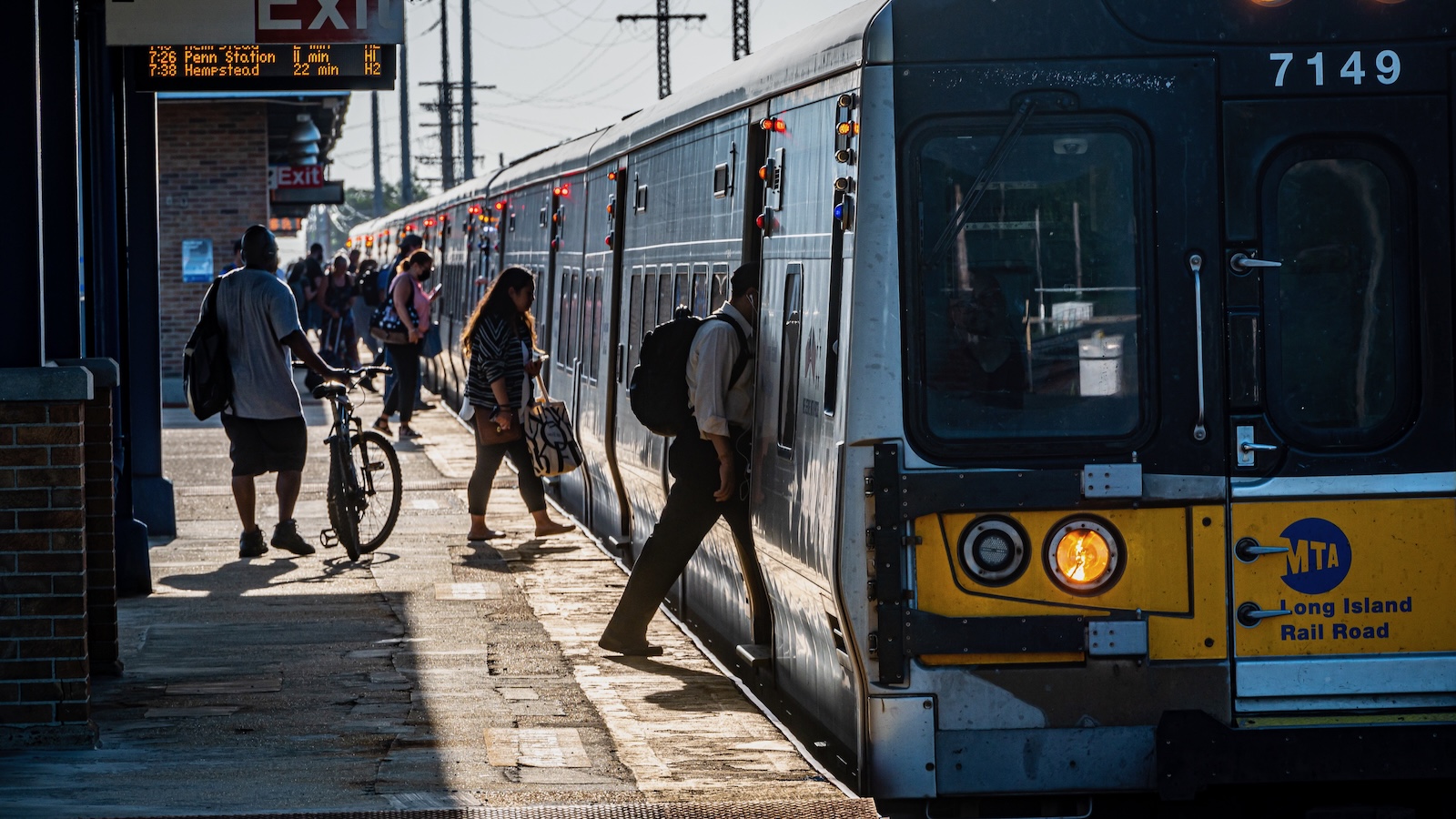
Gas Prices Are Rising So Is Public Transit Ridership
The full article is on the original publisher site. This page only shows the headline and a very short excerpt.
AI insight
AI-generatedHigh gasoline prices create a substitution effect: consumers shift from personal vehicle use to public transit and intercity rail. This benefits transit agencies and Amtrak (revenue from higher ridership) but does not directly affect oil/gas producers. The mechanism is demand_spike for transit services, but the magnitude is modest and systemic funding barriers limit long-term impact. No scarcity risk; affected products are gasoline (demand may soften) and transit services.
Signals our AI researcher identified
Extracted by our AI model from this article and related public sources — not direct quotes from the publisher.
- National gas price exceeds $4.50/gallon, California over $6.15.
- San Diego transit ridership up 6.5% YoY in March.
- Amtrak and other transit agencies report increased ridership.
- Rising gas prices cited as driver for public transit use.
Transit agencies see a short-term ridership boost from high gas prices, increasing revenue in the next 48h.
Sign in to see all sector verdicts, full thesis and counter-argument debate.
Sector impact at a glance
- EM_TRANSPORTmid
- EM_TRANSPORTshort
- GLOBAL_ENERGYshort
Related stories
finance.yahoo.com
Eurodry Edry Q1 2026 Earnings

zerohedge.com
Europe Primed Lower Open Amid Lack Progress Usiran Hefty Speaker Slate Nvidia Earnings Due
fool.com
Keysight Keys Q2 2026 Earnings Transcript

freemalaysiatoday.com
Cuba Warns of Bloodbath If US Attacks Washington Adds Sanctions

politico.eu