AI-generated analysis · Source: defensenews.com · How we produce it
defensenews.com · · US
MBDA and German startup Atmos team up to study space-based strike weapons
The full article is on the original publisher site.
AI insight
AI-generated
Pan-European missile manufacturer MBDA and German startup Atmos Space Cargo have partnered to study the deployment of deep-strike weapons from Earth orbit. The collaboration aims to assess the technical feasibility of creating a precision orbital deep strike capability, which Atmos argues is vital for Europe to establish a credible conventional deterrent against aggression.
This is a strategic R&D and capital expenditure signal in the defense sector. The mechanism is a high-level investment/partnership aimed at developing advanced orbital deterrent systems, signaling future demand for specialized aerospace and defense components.
Key Insights
- The partnership focuses on combining Atmos's expertise in orbital transport and reentry technology with MBDA's defense systems knowledge.
- Atmos asserts that Europe requires an orbital deterrent to address a current capability gap in deep precision striking.
- The initial phase of cooperation will concentrate on system architecture, technical feasibility, and payload integration.
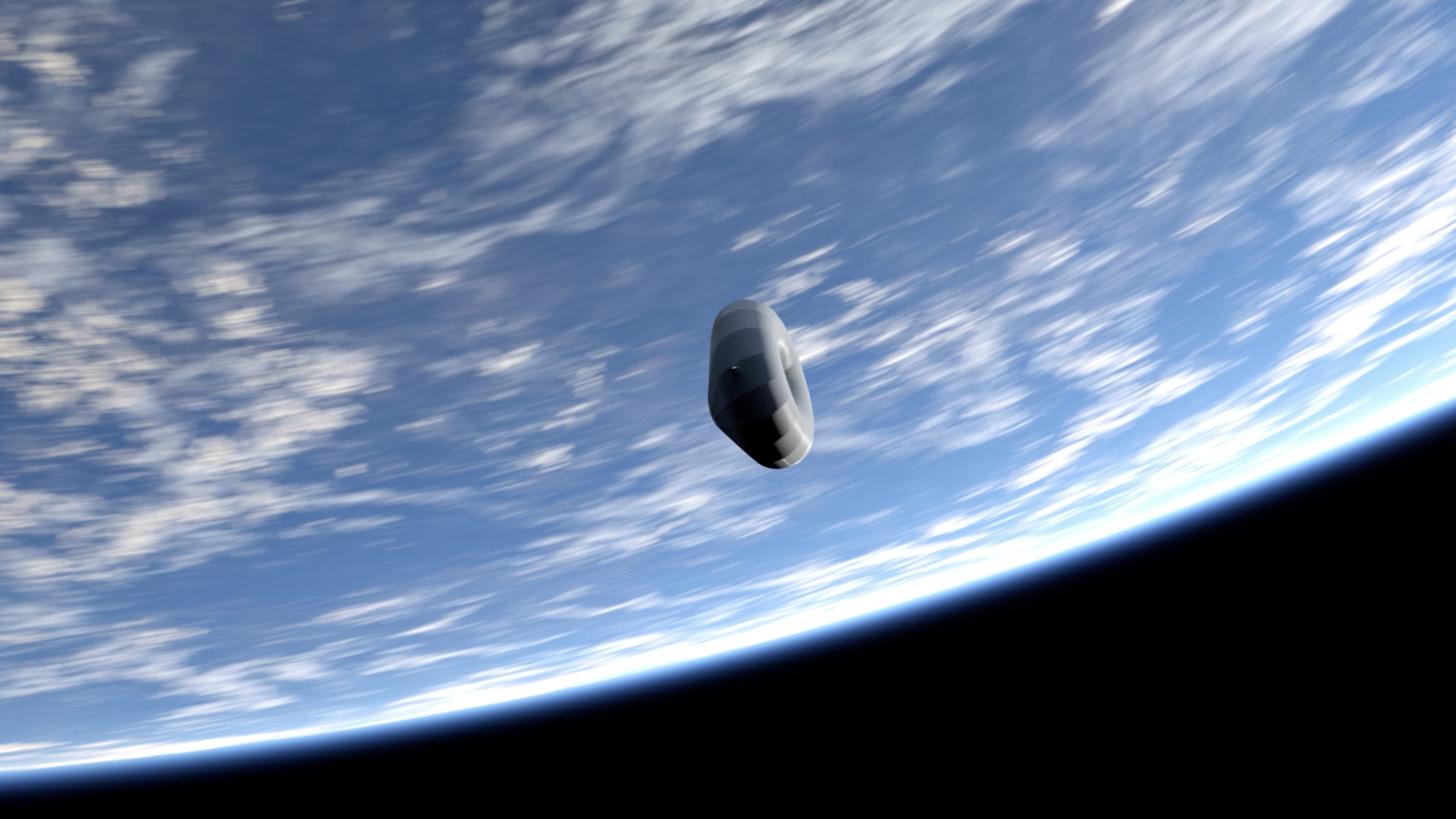
- Atmos is developing the Phoenix 2 orbiter, which has a 100-kilogram payload capacity, and is studying a larger Phoenix 3 with ESA.
- MBDA aims to provide its armed forces with a highly innovative, sovereign European defense capability.
Deep-strike weapons and orbital deterrent systems see immediate positive sentiment and market confidence within 48 hours. The key risk is the rapid unwinding of reflex gains if market enthusiasm cools.
Sign in to see all sector verdicts, full thesis and counter-argument debate.
Sector impact at a glance
- Aerospace & DefenseShort term (1–2 days)
Deep-strike weapons and orbital deterrent systems see immediate positive sentiment and market confidence within 48 hours. The key risk is the rapid unwinding of reflex gains if market enthusiasm cools.
Thesis
The strategic R&D partnership confirms high-level government interest in advanced orbital deterrent systems, signaling a demand spike for specialized aerospace components. Affected: Deep-strike weapons, Orbital deterrent systems. Scarcity: None immediate.
- Global TechnologyMid term (1–4 weeks)
Propulsion systems and sensor arrays are expected to see increased revenue and margin expansion over 3-4 weeks. This demand is driven by the need for advanced, high-precision components.
Thesis
The requirement for global, rapid-strike capabilities necessitates advanced, niche hardware. Affected: Propulsion systems, Sensor arrays. Scarcity: Specialized component input scarcity is projected to increase rapidly.
Antithesis
The projected specialized component input scarcity is likely transient inventory wobble rather than a structural supply shortage, given global supply chain redundancy.
- Global TechnologyShort term (1–2 days)
Advanced satellite components and orbital platform software will see limited short-term movement within 48 hours. The niche nature of the defense application restricts immediate broad market reaction.
Thesis
The €25.7M funding is highly specialized for orbital defense tech, leading to limited, offset movement in niche component providers. Affected: Advanced satellite components, Orbital platform software. Scarcity: None.
Affected products & commodities
- Deep-strike weapons
- Reentry vehicles
- Orbital deterrent systems
Supply-chain signals
- System architecture development
- Payload integration
- Orbiter manufacturing (Phoenix 2)
Claims Assessed
- VerifiableMBDA and Atmos are jointly assessing the feasibility of deploying deep-strike weapons from Earth orbit using reentry vehicles.
- VerifiableAtmos believes that Europe needs an orbital deterrent to strengthen its ability to prevent aggression.
- VerifiableThe initial project scope includes evaluating system architecture, technical feasibility, and payload integration.
- VerifiableAtmos's Phoenix 2 spacecraft is designed to carry a 100-kilogram payload.
Missing Context
The article does not specify the geopolitical threats or conflicts that this new orbital deterrent is intended to counter, nor does it detail the current legal or regulatory framework that would govern the deployment of such advanced weapons.
This analysis would be wrong if
If regulatory approval timelines are extended significantly, or if concrete production contracts are not announced within the next quarter.
Historical parallels
- Strategic defense partnerships often precede significant government contracts and increased CAPEX cycles in aerospace manufacturing.