abcnews.com ·
Inflation Reached 3 Year High Month Iran War
News Analysis — AI Analysis
Original analysis generated by News Analysis. This is our own commentary on the story, not the publisher's article text.
Consumer prices are projected to jump in May, potentially reaching a three-year high of 4.2% annually, driven partly by the ongoing Iran conflict which spiked gas costs. This rising inflation is raising concerns for Federal Reserve policymakers and political figures ahead of upcoming elections. Economists are closely monitoring core inflation and whether falling oil prices will curb persistent cost increases.
Key points
- Inflation is forecast to reach 4.2% in May, up from the 3.8% recorded in April.
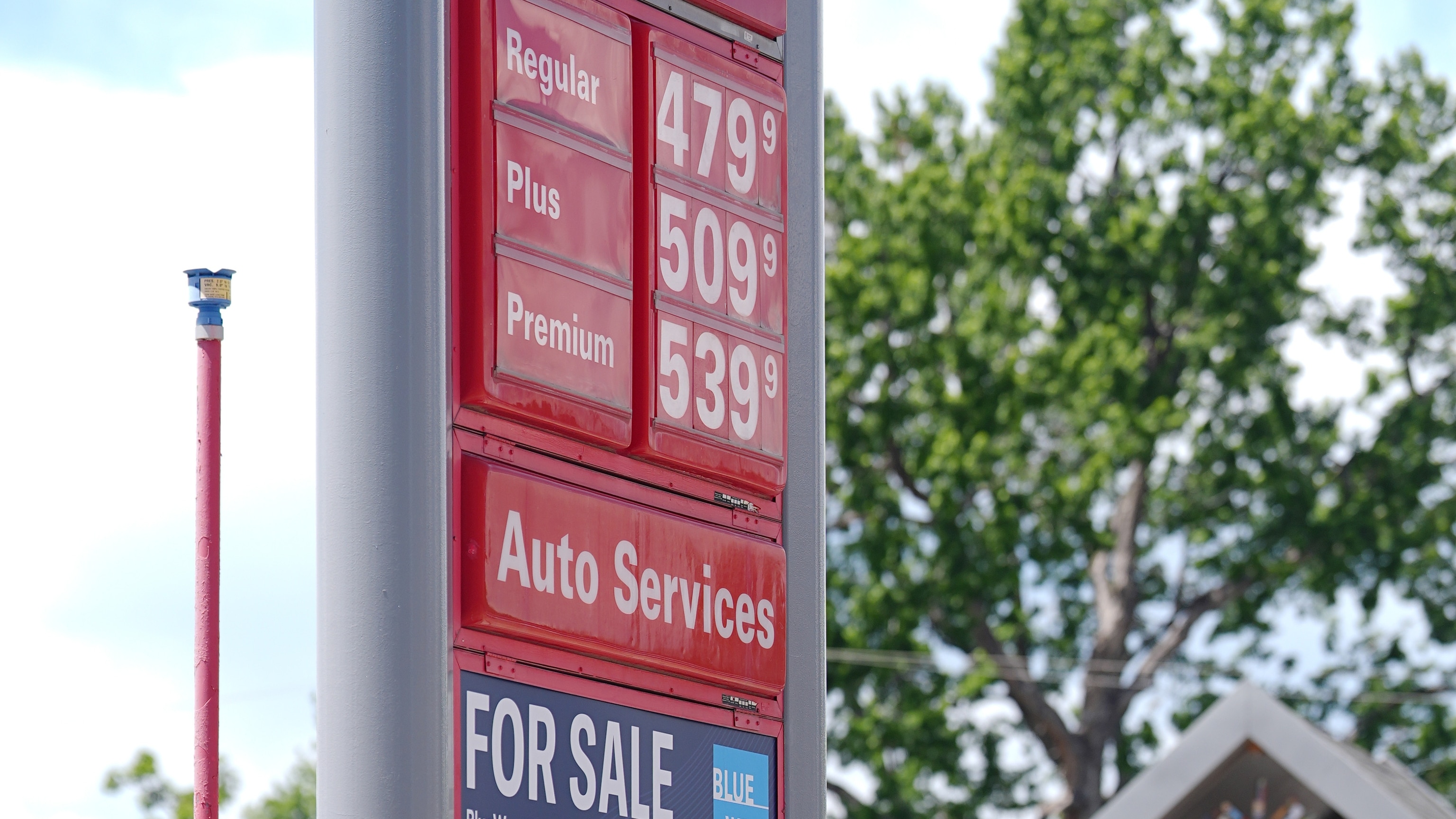
- The recent spike in gas prices, attributed to Iran's actions closing the Strait of Hormuz, has contributed significantly to rising costs.
- Core inflation is expected to rise slightly to 2.9% annually, remaining above the Federal Reserve's 2% target.
- Rising shipping and fuel surcharges are contributing to higher grocery prices, which jumped 0.7% in April.
- The persistent inflation has caused some Fed officials to shift their stance from expected rate cuts to potential rate hikes.
Claims assessed
- VerifiableConsumer prices were projected to rise by a hefty 0.5% on a monthly basis in May, slightly less than the 0.6% increase seen in April.
- VerifiableGas prices rose significantly in May due to Iran's closure of the Strait of Hormuz, which reduced global oil supply by about a fifth.
- VerifiableThe job market is showing signs of improvement with hiring increasing in May, suggesting the economy remains robust despite inflation concerns.
Missing context
The article mentions the tariff imposition in April 2025 but does not detail what these sweeping tariffs were or how they specifically impacted various sectors of the economy beyond general cost increases.
Topic context
Related topics
The full article is on the original publisher site.
AI insight
AI-generatedGeopolitical risk drives immediate upward pressure on Gasoline/Natural Gas and crude oil benchmarks (3 magnitude) within 48 hours, while sustained high US rates will constrain growth spending across EM and US Industrial sectors. Main risks include the actual depth of initial energy margin compression and whether commodity exporters can withstand global liquidity tightening.
The primary commercial mechanism is inflation pass-through, driven by geopolitical risk (Iran war) impacting energy costs. This raises input costs for US businesses, leading the Federal Reserve to shift policy from rate cuts to potential hikes. The impact is primarily on consumer spending power and corporate margins across multiple sectors.
Signals our AI researcher identified
Extracted by our AI model from this article and related public sources — not direct quotes from the publisher.
- U.S. inflation projected to rise to 4.2% year-over-year (May)
- Core inflation expected to reach 2.9%
- Average gas prices increased from $4.04 to $4.49 in mid-May
- Federal Reserve considering rate hikes instead of cuts
- Inflation rise attributed to the Iran war affecting oil and gas prices
Affected products & commodities
- Gasoline/Natural Gas
- Energy inputs (general)
- Consumer goods (due to inflation)
Supply-chain signals
- Geopolitical risk affecting oil/gas supply routes
- Increased energy input costs for manufacturing and transport
Historical parallels
- Past geopolitical conflicts (e.g., Russia-Ukraine) have historically caused sharp spikes in commodity prices (oil, gas), leading to immediate inflationary pressure and subsequent central bank tightening cycles.
This analysis would be wrong if
If inventory levels prove sufficient to absorb geopolitical shocks without immediate price spikes, or if central banks (Fed/ECB) signal a synchronized pivot away from rate hikes.
Sustained high US rates and inflation will constrain growth spending in emerging economies (3 magnitude). The key risk is the differential impact across EM types.
Sign in to see all sector verdicts, full thesis and counter-argument debate.
Sector impact at a glance
- EM_MARKETSmid
- EM_MARKETSshort
- FX_USDmid
- FX_USDshort
- GLOBAL_ENERGYmid
- GLOBAL_ENERGYshort
- SP500_INDUSTRIALSmid
- SP500_INDUSTRIALSshort
Related stories

moneycontrol.com
Sensex Today Stock Market Live Updates Nifty50 Share Price Crude Fii Gift Nifty Rupee Latest Updates 10 06 2026 Liveblog
aol.co.uk
Tech Sell Off Deepens Oil

mynorthwest.com
Inflation Likely Reached 3 Year High Last Month as Iran War Spikes Gas Prices

digitaljournal.com
Tech Leads Asia Losses Oil Rises as Rollercoaster Week Rumbles on

rediff.com