AI-generated analysis · Source: theguardian.com · How we produce it
theguardian.com · · GB
Myanmar committed acts of genocide against Rohingya minority, world’s top court rules
The full article is on the original publisher site.
AI insight
AI-generated
The International Court of Justice (ICJ) has ruled that Myanmar perpetrated acts of genocide against the Rohingya minority during its military 'clearance operations.' This judgment concludes a seven-year legal battle and is viewed globally as a significant precedent for addressing the most severe forms of state crime.
The article details a legal judgment by the International Court of Justice (ICJ). This is a legal and humanitarian ruling, not a direct commercial event, and therefore does not establish a concrete commercial mechanism (e.g., price change, investment, or immediate trade disruption) affecting specific products or company margins.
Key Insights
- The ICJ determined that Myanmar committed genocide against the Rohingya population with the intent to destroy a substantial part of the group.
- The ruling ended a seven-year legal process initiated by The Gambia, a Muslim-majority state.
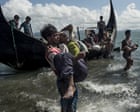
- The alleged atrocities took place during military campaigns in 2016-2017, forcing over 700,000 Rohingya to flee into Bangladesh.
- The judgment is considered a critical test case for international law, particularly regarding genocide claims against other states.
- Evidence presented included accounts of mass killings, systematic gang-rapes, and the burning of villages by military forces.
Affected products & commodities
- (not specified)
Supply-chain signals
- (not specified)
Claims Assessed
- VerifiableThe ICJ found that Myanmar committed acts falling under the genocide convention with the intent to destroy the Rohingya population.
- VerifiableMore than 700,000 Rohingya refugees fled across the border into Bangladesh following the 2016-2017 military campaign.
- VerifiableThe case was brought before the ICJ by The Gambia.
- VerifiableThe ruling is significant because it sets a precedent for future genocide claims, including those against Israel.
Missing Context
The article does not detail Myanmar's formal defense against the genocide claims, nor does it discuss the immediate political or diplomatic consequences of the ICJ's ruling.
Historical parallels
- (not specified)