AI-generated analysis · Source: engadget.com · How we produce it
engadget.com · · US
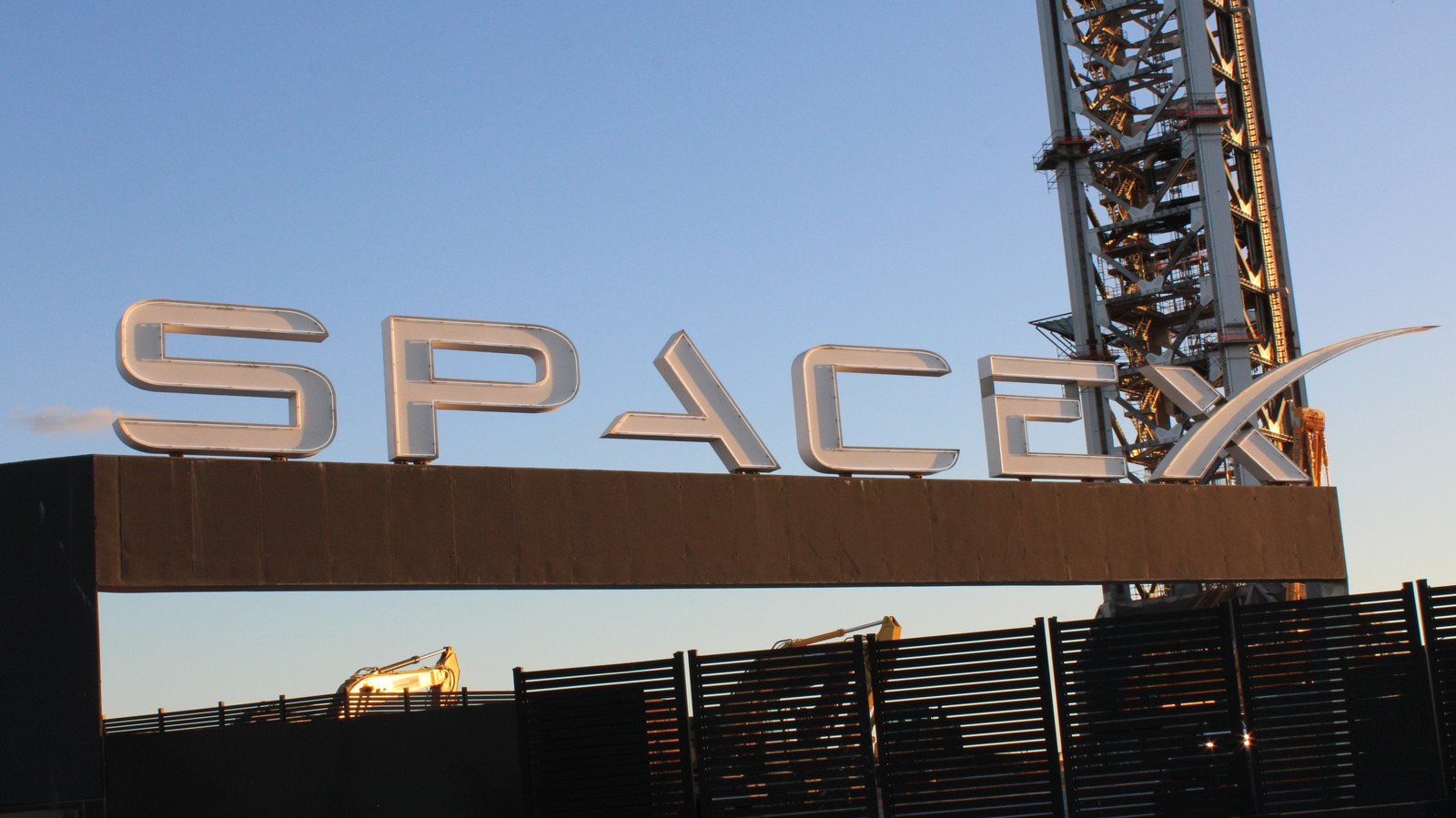
SpaceX gets FCC approval to deploy 1 million satellites for its AI orbital data center
The full article is on the original publisher site.
AI insight
AI-generated
The FCC has granted SpaceX approval to launch one million satellites for its proposed AI orbital data center, named Starmind. SpaceX contends that this space-based solution is a more efficient method for meeting the growing need for AI computing power compared to ground-based facilities. The approval comes with specific deployment milestones and altitude restrictions.
FCC regulatory approval triggers massive Capex cycle and demand spike for specialized aerospace hardware and computing infrastructure. This directly expands revenue and capacity utilization for SpaceX and its supply chain partners in the orbital data center sector.
Key Insights
- SpaceX received FCC approval for the Starmind initiative, which involves deploying one million satellites.
- The company argues that orbital data centers are highly efficient, utilizing solar power with minimal maintenance.
- Critics question the feasibility, citing the challenges of heat dissipation in a vacuum and the risk of space debris.
- The FCC permits deployment in orbital layers between 500 meters and 1,002 kilometers.
- Deployment deadlines include placing the first satellite by November 2033 and all one million satellites by November 2040.
High-performance computing chips see immediate forward demand signals from the orbital data center mandate, boosting order book visibility.
Sign in to see all sector verdicts, full thesis and counter-argument debate.
Sector impact at a glance
- Aerospace & DefenseMid term (1–4 weeks)
Specialized component suppliers benefit from sustained forward ordering, driving long-term capacity planning and strategic investment.
Thesis
The 1 million satellite deployment mandate drives a sustained Capex cycle. Affected: Specialized satellite components, launch vehicle capacity. Expected impact: Increased long-term demand and strategic investment (2-4 week ramp-up). Window: 2-4 weeks. Scarcity: Yes, specialized component manufacturing capacity.
Antithesis
The timeline (2-4 weeks) is insufficient for specialized component manufacturing capacity to undergo the multi-year capital expenditure and retooling required to realize significant margin expansion.
- Aerospace & DefenseShort term (1–2 days)
Specialized satellite hardware and launch services see short-term upward pressure due to initial contract bidding and positive market sentiment.
Thesis
FCC approval initiates a massive Capex cycle for orbital data centers. Affected: Launch services, specialized satellite hardware. Expected impact: Initial sentiment lift and contract discussions (3-7% uplift). Window: 2 weeks. Scarcity: Yes, launch vehicle availability and specialized component manufacturing capacity.
Antithesis
The initial revenue uplift is likely sentiment-driven, as actual contract revenue realization is subject to long procurement and delivery timelines, extending far beyond the short window.
- AI InfrastructureMid term (1–4 weeks)
Specialized AI hardware manufacturers secure long-term contracts, solidifying demand and driving capacity expansion plans.
Thesis
The phased deployment schedule locks in long-term Capex commitments for specialized AI hardware. Affected: High-performance computing chips, orbital AI data processing capacity. Expected impact: Sustained revenue growth projection for specialized chip manufacturers. Window: 1-4 weeks. Scarcity: Yes, specialized manufacturing capacity for cutting-edge AI processors.
Antithesis
The projected high revenue growth (20-40%) is unrealistic within the short mid-term window, as it is tied to the execution of multi-year, phased contracts, not immediate formalization.
- AI InfrastructureShort term (1–2 days)
High-performance computing chips see immediate forward demand signals from the orbital data center mandate, boosting order book visibility.
Thesis
The orbital AI data center mandate signals massive future demand for specialized computing infrastructure. Affected: High-performance computing chips, orbital AI data processing capacity. Expected impact: Increased forward order book visibility (8-15% increase). Window: 2 weeks. Scarcity: Yes, high-performance computing chip supply.
Antithesis
The immediate order book visibility may be conservative, as the full deployment schedule is long-term (2028+), and initial commitments may not translate into immediate capacity strain.
- Global TechnologyMid term (1–4 weeks)
Component suppliers initiate strategic investment and M&A activity to meet the massive future demand for specialized electronics.
Thesis
The 1 million satellite goal necessitates a massive expansion of specialized component manufacturing. Affected: Specialized satellite components, advanced electronics. Expected impact: Increased M&A activity and strategic capacity expansion. Window: 2-4 weeks. Scarcity: Yes, specialized component manufacturing capacity.
Antithesis
Margin expansion resulting from strategic shifts and capacity expansion is a slow-moving process and will not materialize within the short 2-4 week timeframe.
- Global TechnologyShort term (1–2 days)
Specialized component manufacturers experience a short-term sentiment lift following the FCC approval, anticipating future demand.
Thesis
FCC approval signals a major shift toward space-based computing infrastructure. Affected: Specialized satellite components, advanced electronics. Expected impact: Short-term stock sentiment lift (3-7% lift). Window: 48h. Scarcity: No, immediate scarcity is low.
Affected products & commodities
- Satellite hardware
- Orbital AI data processing capacity
- Launch services
Supply-chain signals
- Specialized satellite component manufacturing capacity
- Launch vehicle availability and frequency
- High-performance computing chip supply
Claims Assessed
- VerifiableOrbital data centers are the most efficient way to meet the accelerating demand for AI computing power because they use solar power with low operating and maintenance costs.
- VerifiableCritics argue that space is a vacuum that makes cooling hardware difficult because heat must escape via radiation, which has physical limits.
- VerifiableThe FCC has authorized SpaceX to deploy satellites into orbital layers spanning 50 kilometers, at altitudes between 500 meters and 1,002 kilometers.
Missing Context
The article does not detail the specific technological advancements SpaceX plans to use to overcome the heat dissipation challenges raised by critics.
This analysis would be wrong if
If specialized component manufacturing capacity can be immediately scaled up or if procurement cycles for large-scale contracts are drastically accelerated.
Historical parallels
- Previous large-scale satellite constellation deployments (e.g., Starlink) led to increased demand and price volatility in specialized satellite components and launch slots.