localnews8.com ·
Russias Overwhelming Manpower Advantage Against Ukraine Is Starting to Wane
News Analysis — AI Analysis
Original analysis generated by News Analysis. This is our own commentary on the story, not the publisher's article text.
Despite initially relying on its large population and military industry to sustain an attritional war in Ukraine, Russia's manpower advantage is reportedly diminishing. The Kremlin is resorting to increasingly desperate measures, such as offering massive financial incentives and debt relief, to boost recruitment. However, these efforts are coinciding with a severe labor crisis across the Russian economy, suggesting that the state faces significant challenges maintaining its military effort.
Key points
- Russia's traditional strategy of outlasting Ukraine through manpower is facing difficulties in its fifth year of conflict.
- The military is offering substantial financial incentives and debt relief to encourage men to join the fight, but recruitment numbers are declining.
- A senior analyst notes that Russia is paying citizens to fight—a historical first—which is causing significant economic strain and manpower issues.
- The war's impact has created a wider labor crisis in Russia, affecting not only military recruitment but also general employment across the economy.
- Russia is reportedly struggling with its defense industry operating at maximum capacity while facing severe labor shortages.
Claims assessed
- VerifiableThe Kremlin's strategy of using immense population and large military industry to sustain an attritional war in Ukraine is now faltering.
- VerifiableRussia has seen a 20% drop in military recruitment during the first quarter of this year compared to 2025.
- VerifiableThe conflict's drain on fighting-age men is causing a labor crisis that affects both the military and the broader Russian economy.
- VerifiableRussia has sent former prisoners, North Korean soldiers, and incentivized immigrants to bolster its forces.
Missing context
While the article mentions that the labor shortage could compel Russia to recruit from India, North Korea, and various African nations, it does not provide any details on the feasibility, scale, or political challenges associated with such international recruitment efforts.
Topic context
The full article is on the original publisher site.
AI insight
AI-generatedRussia's severe manpower decline pushes industrial and construction input costs 2-3% higher in the short term due to labor scarcity. Key risk: The full cost pass-through is moderated by fixed contracts (Energy) or regionalized impacts (Construction), slowing margin realization.
This news signals a major supply shock (labor/manpower) originating from Russia. The primary impact is on industrial and construction capacity utilization within Russia, potentially forcing state intervention (forced mobilization or foreign labor recruitment). This affects input costs for all goods produced in the Russian market.
Signals our AI researcher identified
Extracted by our AI model from this article and related public sources — not direct quotes from the publisher.
- Russia's enlistment declined by 20% in early 2026.
- Reported financial incentives include up to $80,000 bonuses and $140,000 debt relief.
- Analysts estimate nearly 500,000 Russian soldiers have died.
- The decline contributes to a severe labor shortage impacting the broader economy.
Affected products & commodities
- Industrial labor
- Construction materials
- Energy sector services
Supply-chain signals
- Russian industrial output capacity
- Labor availability in Russia's key economic sectors
Historical parallels
- Major labor shortages (e.g., post-pandemic supply chain disruptions) typically lead to wage inflation and increased operational costs for goods manufactured in the affected region.
This analysis would be wrong if
If state subsidies are immediately universal and highly effective, neutralizing all input cost increases across sectors; OR if major international firms rapidly deploy alternative labor sources/automation that bypasses the current supply shock.
Mid-term labor scarcity will force increased investment in automated construction equipment and modular components.
Sign in to see all sector verdicts, full thesis and counter-argument debate.
Sector impact at a glance
- EM_CONSTRUCTIONmid
- EM_CONSTRUCTIONshort
- EM_INDUSTRIALSmid
- EM_INDUSTRIALSshort
- GLOBAL_ENERGYmid
- GLOBAL_ENERGYshort
Related stories

euronews.com
UK Says Its Forces Intercepted a Sanctioned Russian Shadow Fleet Oil Tanker
thenewsminute.com
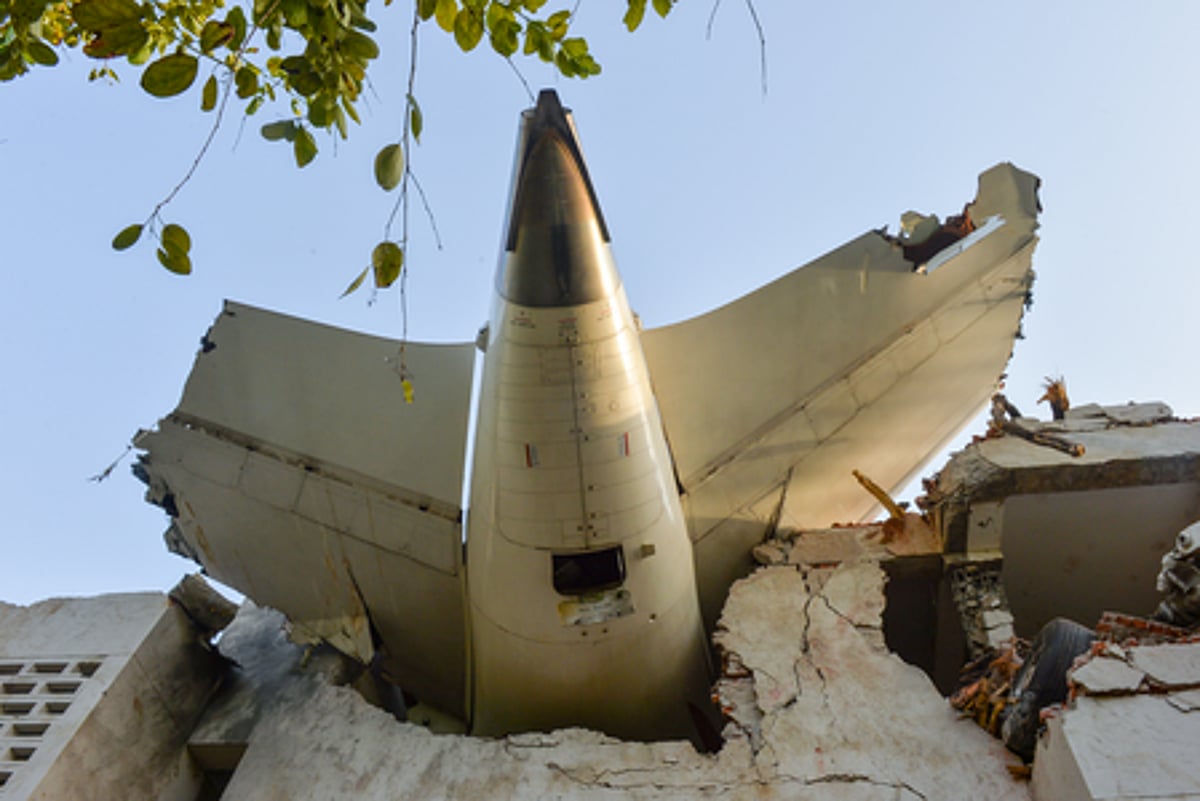
One Year Since the Air India Crash No Investigation Report Questions Remain
irishtimes.com
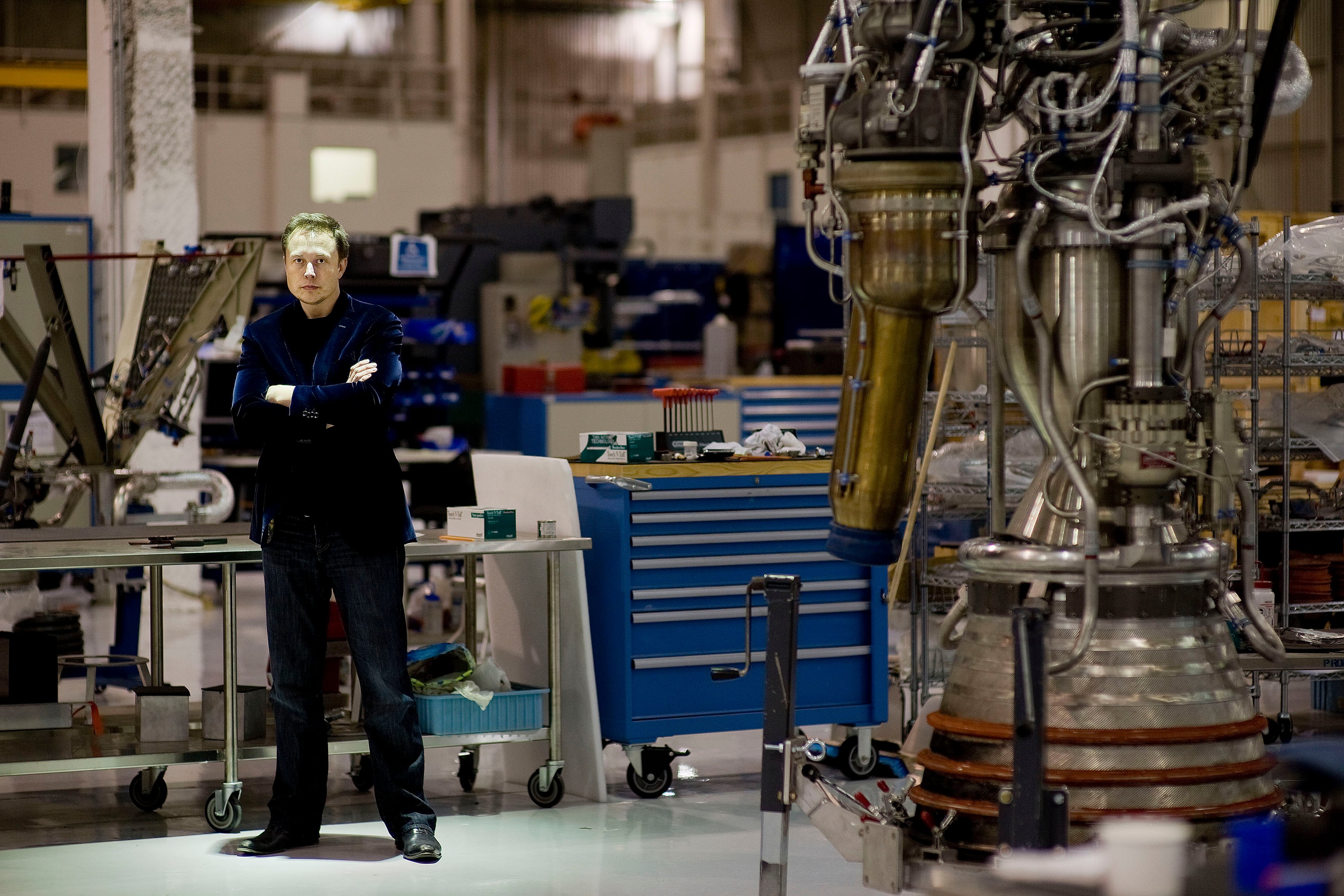
Sinead Osullivan Space X Is Not Just Too Big to Fail It Is Too Essential to Be Allowed to

grenadachronicle.com
Costs Careers and Choice Why Indians Are Having Fewer Children

tribune.com.pk