economictimes.indiatimes.com ·
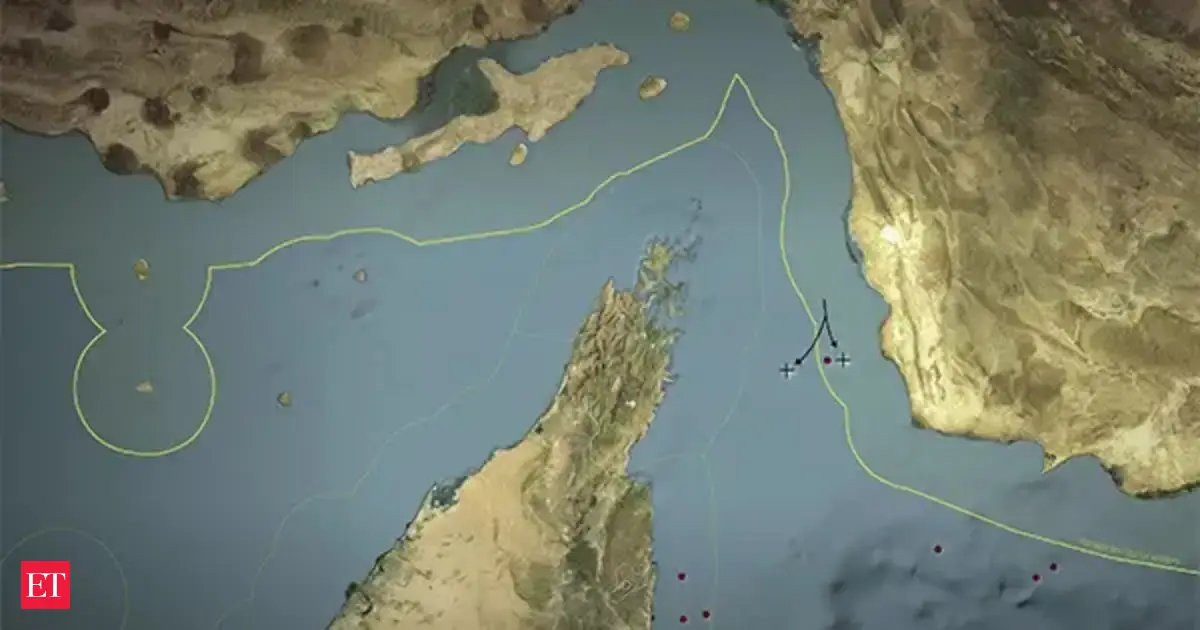
Strait of Hormuz to Be Closed Again What Is Happening With Strait That Carries Nearly a Fifth of Global Crude Oil and Liquefied Natural Gas Supplies
Executive Summary
AI-generatedThe article discusses the ongoing geopolitical tensions surrounding the Strait of Hormuz, which is crucial for global oil and LNG supplies. Recent developments include a ceasefire in Lebanon between Israel and Hezbollah, alongside an interim deal signed by Iranian and U.S. presidents that postpones discussions on Iran's nuclear program. However, uncertainty remains over negotiations critical to reopening the strait fully.
The primary commercial mechanism is geopolitical risk impacting critical energy chokepoints (Strait of Hormuz). The threat of closure creates immediate supply uncertainty and increases input costs for global crude oil and LNG. While diplomatic efforts are underway, the underlying instability maintains a high premium on energy commodities, affecting all downstream industrial sectors.
Key Insights
- The Strait of Hormuz is vital as it carries nearly a fifth of global crude oil and liquefied natural gas supplies.
- A ceasefire was reached in Lebanon between Israel and Hezbollah following escalating fighting.
- An interim memorandum of understanding was signed by Iranian and U.S. presidents, deferring tough discussions on Iran's nuclear program for 60 days.
- Negotiations regarding a potential lasting Middle East peace deal were complicated by the renewed conflict in Lebanon.
- The broad interim agreement requires all parties, including the US and Iran, to immediately cease military operations across all fronts.
Topic context
Related topics
The full article is on the original publisher site.