scroll.in · · IN
Transactional Nature US Senators Question Justice Departments Request to Drop Case Against Adani
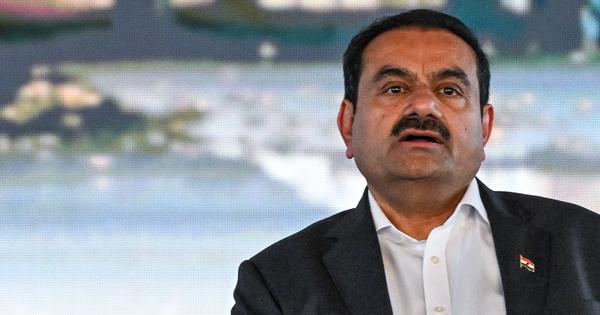
News Analysis — AI Analysis
Original analysis generated by News Analysis. This is our own commentary on the story, not the publisher's article text.
Two Democratic U.S. Senators, Elizabeth Warren and Richard Blumenthal, questioned the Department of Justice's (DOJ) request to drop criminal charges against Gautam Adani. They argued that the DOJ’s decision appeared transactional, suggesting Adani might have offered a $10 billion investment in exchange for immunity from alleged fraud charges. The senators expressed concern that this arrangement gave the appearance of buying legal leniency.
Key points
- Senators Warren and Blumenthal questioned the 'transactional nature' of the DOJ's decision to drop criminal charges against Gautam Adani.
- The senators alleged that Adani might have offered a $10 billion investment in the U.S. economy to secure immunity from fraud charges.
- The original US indictment, filed in November 2024, accused Gautam and Sagar Adani of orchestrating a $265 million bribery scheme in India and misrepresenting anti-bribery practices to U.S. investors.
- Adani Group has consistently denied all allegations, noting that the charges were for securities fraud, not bribery.
- The senators also questioned whether the White House had communicated with the DOJ regarding Adani's case or his alleged investment offer.
Claims assessed
- UnverifiedGautam Adani allegedly offered a $10 billion investment in the U.S. economy if criminal fraud charges against him were dropped.
- VerifiableThe Department of Justice decided, through prosecutorial discretion, not to pursue further resources on the criminal charges against Gautam Adani.
- VerifiableAdani Group was indicted in November 2024 for allegedly orchestrating a $265 million fraud scheme involving bribes in India and misrepresenting anti-bribery practices to U.S. investors.
- UnverifiedThe senators believe the DOJ's decision makes it appear that Adani bought his way to immunity by trading an investment promise for leniency.
Missing context
The article does not specify the current status of the judge's approval for the DOJ's request to drop charges, nor does it provide details regarding any potential financial penalties Adani may still face even if criminal charges are dropped.
Topic context
Related topics
The full article is on the original publisher site.
AI insight
AI-generatedAdani's proposed US capital infusion boosts investor confidence in Indian industrial assets (EM_INDUSTRIALS) and guarantees sustained demand for large-scale infrastructure services (EM_CONSTRUCTION). Main risk: The immediate positive sentiment is tempered by the structural legal hurdles, commodity price volatility, and the time lag between announcement and revenue realization.
The news highlights a potential quid pro quo mechanism involving Adani Group's $10 billion investment in the US contingent upon the dropping of fraud charges by the US Department of Justice. This primarily affects corporate governance, legal risk, and capital flow into India (EM_INDUSTRIALS) and associated infrastructure/construction projects (EM_CONSTRUCTION). The immediate commercial impact is regulatory and reputational rather than a direct commodity price shift.
Signals our AI researcher identified
Extracted by our AI model from this article and related public sources — not direct quotes from the publisher.
- Adani Group proposed $10 billion investment in the US.
- The proposal is conditional on dropping fraud charges against Gautam Adani.
- Charges were filed in November 2024 regarding a $265 million solar energy fraud scheme in India.
- US Department of Justice requested to drop criminal charges (May 18, 2024).
- Senators questioned the 'quid pro quo' nature of the offer.
Affected products & commodities
- Capital investment ($10 billion)
- Solar energy contracts
- Fraud charges related to solar energy
Supply-chain signals
- US-India capital flow and regulatory compliance risk
Historical parallels
- Large foreign investment announcements often follow favorable regulatory or political clearances, suggesting a potential pattern of market reaction to reduced legal uncertainty.
This analysis would be wrong if
If regulatory clarity remains elusive, or if global commodity prices spike significantly, delaying capital flow or eroding construction margins.
The long-term commitment of capital guarantees a robust pipeline for large infrastructure projects; this supports sustained order book growth.
Sign in to see all sector verdicts, full thesis and counter-argument debate.
Sector impact at a glance
- EM_CONSTRUCTIONmid
- EM_CONSTRUCTIONshort
- EM_INDUSTRIALSmid
- EM_INDUSTRIALSshort
- GLOBAL_BANKINGmid
Related stories
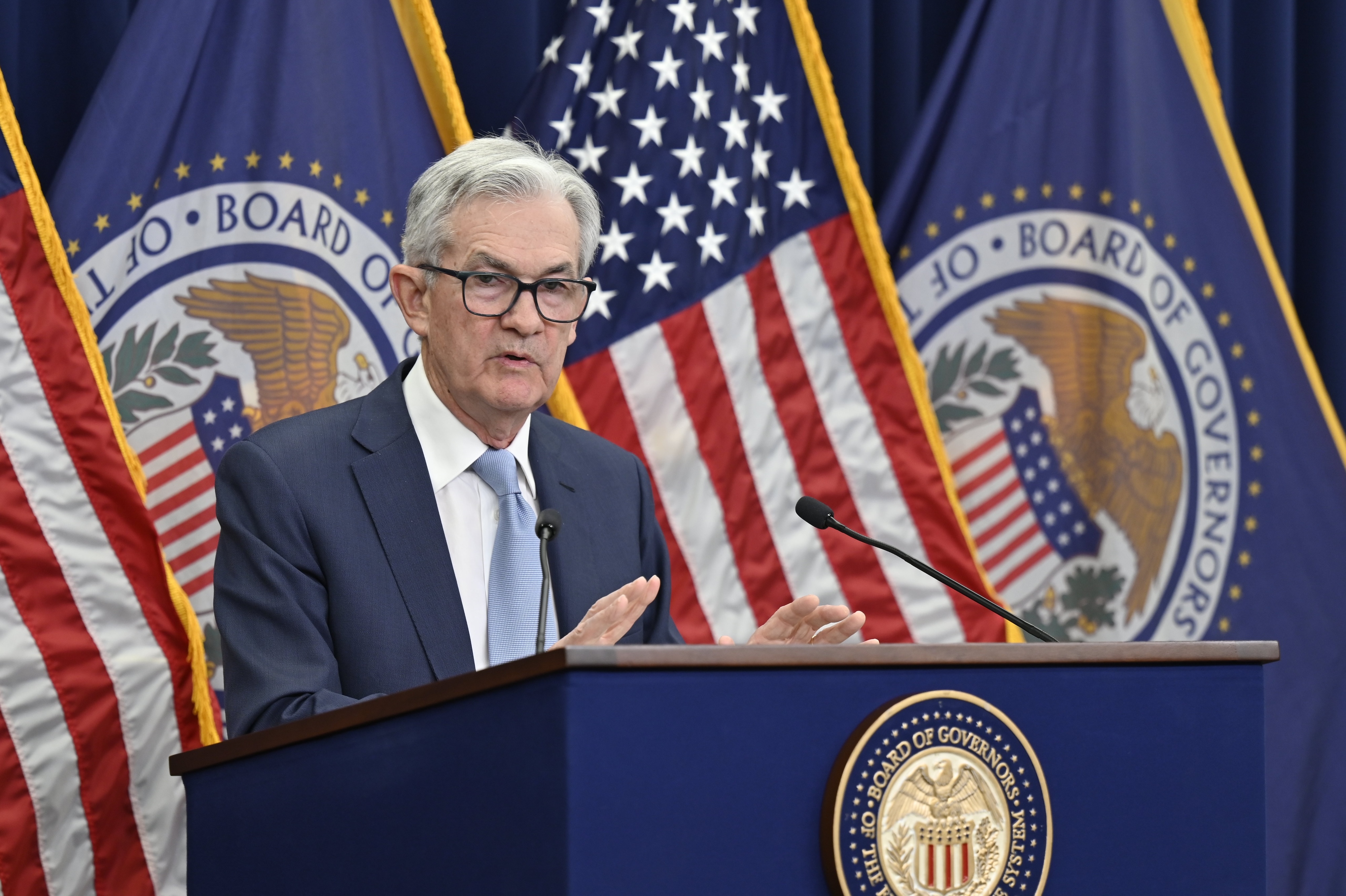
fool.com
Stock Market Drop Warning Fed Chair Jerome Powell

finance.yahoo.com
Stock Market Could Drop 2

acento.com.do
La Expedicion De Constanza Maimon Y Estero Hondo De Junio De 1959 Y La Generacion De La Luz
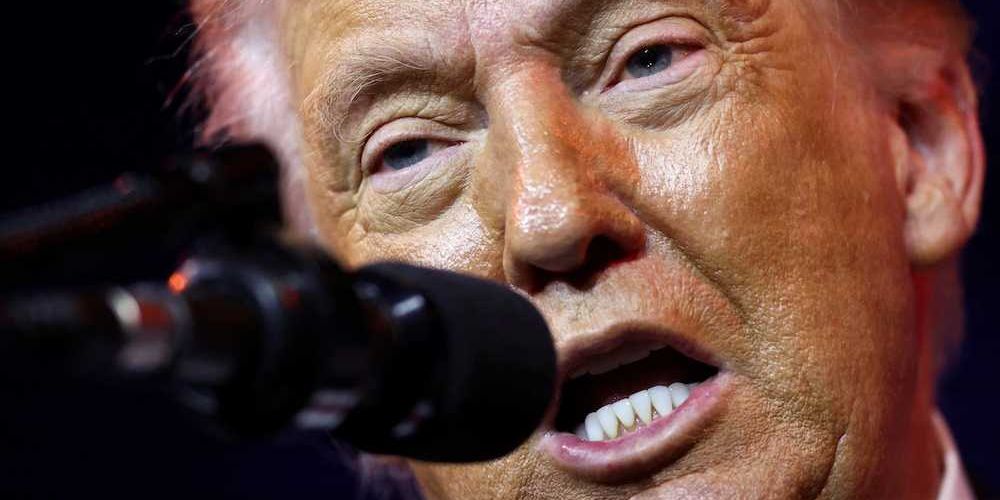
alternet.org
Donald Trump Robber Baron

bilkulonline.com