kathmandupost.com ·
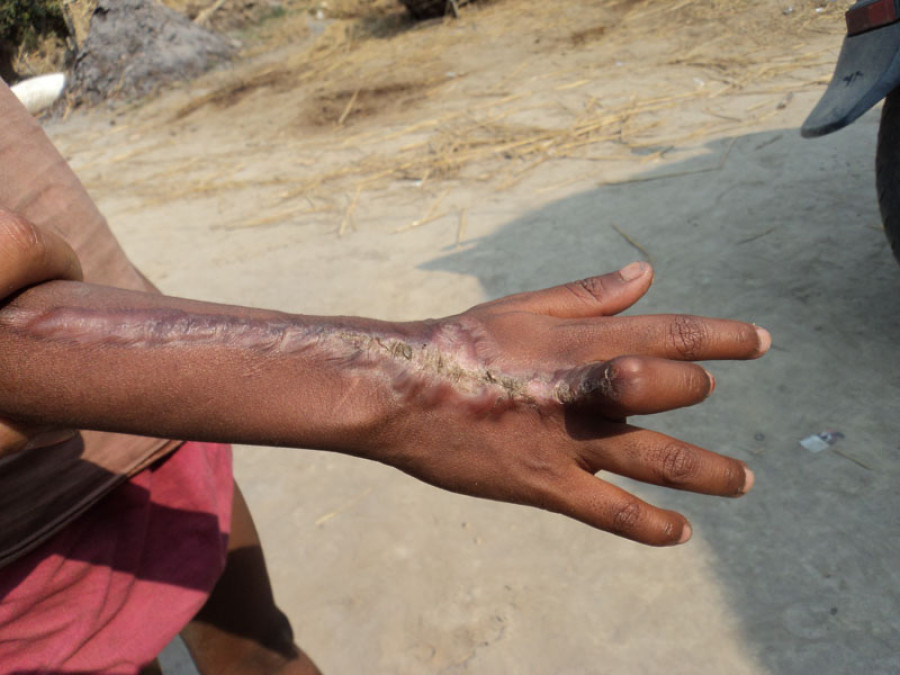
As Snakes Thrive in Upper Climes More People Dying From Venomous Bites
Topic context
This topic has been covered 433987 times in the last 30 days across our monitored publishers.
The full article is on the original publisher site. This page only shows the headline and a very short excerpt.
AI insight
AI-generatedClimate change is altering ecosystems and increasing health risks in vulnerable regions, such as Nepal, by expanding the habitats of venomous species into new areas. This exacerbates public health challenges in countries with limited healthcare resources and highlights the need for improved infrastructure and awareness to mitigate climate-related health impacts.
Signals our AI researcher identified
Extracted by our AI model from this article and related public sources — not direct quotes from the publisher.
- Eleven snakebite patients treated at Sukraraj Tropical and Infectious Disease Hospital in Nepal between March 15 and April 13, with 15 cases in the past week.
- Rising temperatures due to climate change are pushing venomous snakes into hilly and mountainous areas where they were previously uncommon.
- Approximately 2,700 people, primarily children and women, die from snakebites in Nepal each year, with many cases unreported.
- Government aims to halve snakebite-related deaths and disabilities by 2030.
- Challenges include inadequate healthcare infrastructure and lack of awareness among rural populations.
Recent snakebite cases in Nepal are unlikely to trigger immediate sector-wide responses, despite their connection to climate change. Media amplification could create short-term volatility in healthcare stocks.
Sign in to see all sector verdicts, full thesis and counter-argument debate.
Sector impact at a glance
- HEALTHmid
- HEALTHshort