www.wral.com ·
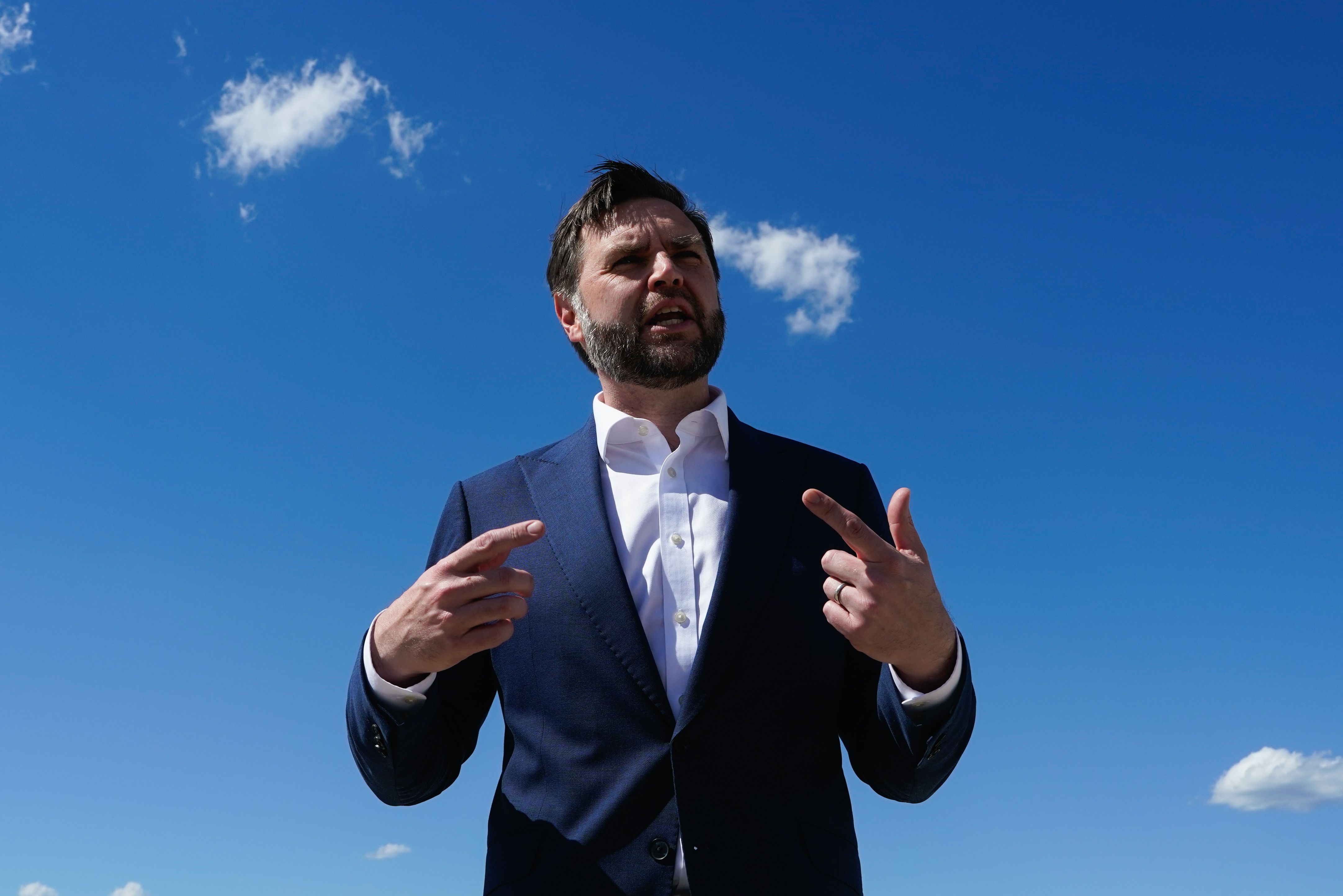
2edf9 us vice president jd vance arriving in switzerland to launch talks with iran on its nuclear program
Executive Summary
AI-generatedVice President JD Vance traveled to Switzerland to help initiate negotiations with Iranian leaders regarding curbing Tehran's nuclear program and strengthening an existing interim deal aimed at ending the conflict in Iran. These top U.S. and Iranian negotiators are now entering a 60-day period to finalize technical details, which have significant implications for global security and the world economy. The talks are taking place amidst regional tensions, including fighting between Israel and Hezbollah, and concerns over the Strait of Hormuz.
The primary commercial mechanism is geopolitical risk leading to supply disruption. The threat of Iran closing the Strait of Hormuz directly impacts global maritime energy transport, specifically crude oil shipments (Brent/WTI). This creates immediate scarcity risk for global oil supplies, potentially causing a massive spike in input costs for all downstream sectors (refining, logistics, manufacturing). The impact is GLOBAL.
Key Insights
- The negotiations aim to curb Iran's nuclear program and solidify an interim agreement intended to end the war in Iran.
- A 60-day period has been set for top U.S. and Iranian negotiators to finalize technical details of the deal.
- Key figures involved include JD Vance, special envoy Steve Witkoff, Jared Kushner, Pakistani Prime Minister Shehbaz Sharif, and Qatari mediators.
- The talks are occurring amid heightened regional instability, including conflict in Lebanon and a disputed closure of the Strait of Hormuz by Iran.
- The agreement allows Iran to sell its oil freely and access billions of dollars in previously frozen assets.
Topic context
The full article is on the original publisher site.