www.foxnews.com ·
round one iran fight went us military ending things much harder
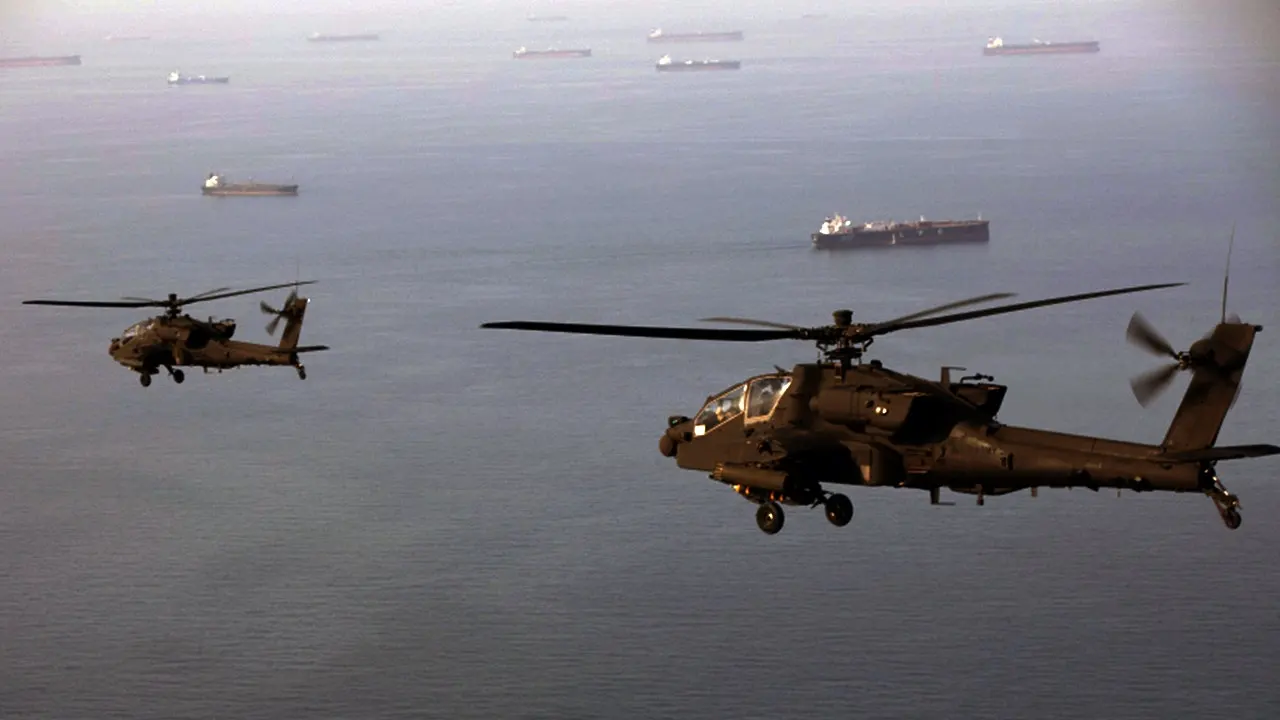
The full article is on the original publisher site. This page only shows the headline and a very short excerpt.
AI insight
AI-generatedThe U.S. naval blockade of Iranian ports threatens oil and LNG shipments from the Persian Gulf, creating a supply disruption risk for global crude and natural gas markets. The Strait of Hormuz chokepoint is effectively under blockade, which historically has led to oil price spikes. Iranian retaliation with drones and small boats raises insurance and freight costs for tankers. The conflict is region-specific (Persian Gulf) but has global energy security implications. Direct winners: U.S. defense contractors (increased military spending). Losers: oil importers, shipping lines, and refiners reliant on Middle East crude.
Signals our AI researcher identified
Extracted by our AI model from this article and related public sources — not direct quotes from the publisher.
- U.S. Navy blockading Iranian ports since May 4, 2026, as part of 'Project Freedom' with 15,000 service members and over 100 aircraft.
- Iranian forces have launched drones and small boats at U.S. ships in response.
- Approximately 440 kilograms of uranium enriched to 60% remains in Iran, indicating ongoing nuclear capability concerns.
- Ceasefire declared on April 7, 2026, has held, but hostilities continue with naval blockade and drone attacks.
- Over 15,000 targets destroyed in Iran, but regime remains intact.
Brent crude spikes 8-12% on Strait of Hormuz blockade fears, boosting upstream revenues.
Sign in to see all sector verdicts, full thesis and counter-argument debate.