www.ksut.org ·
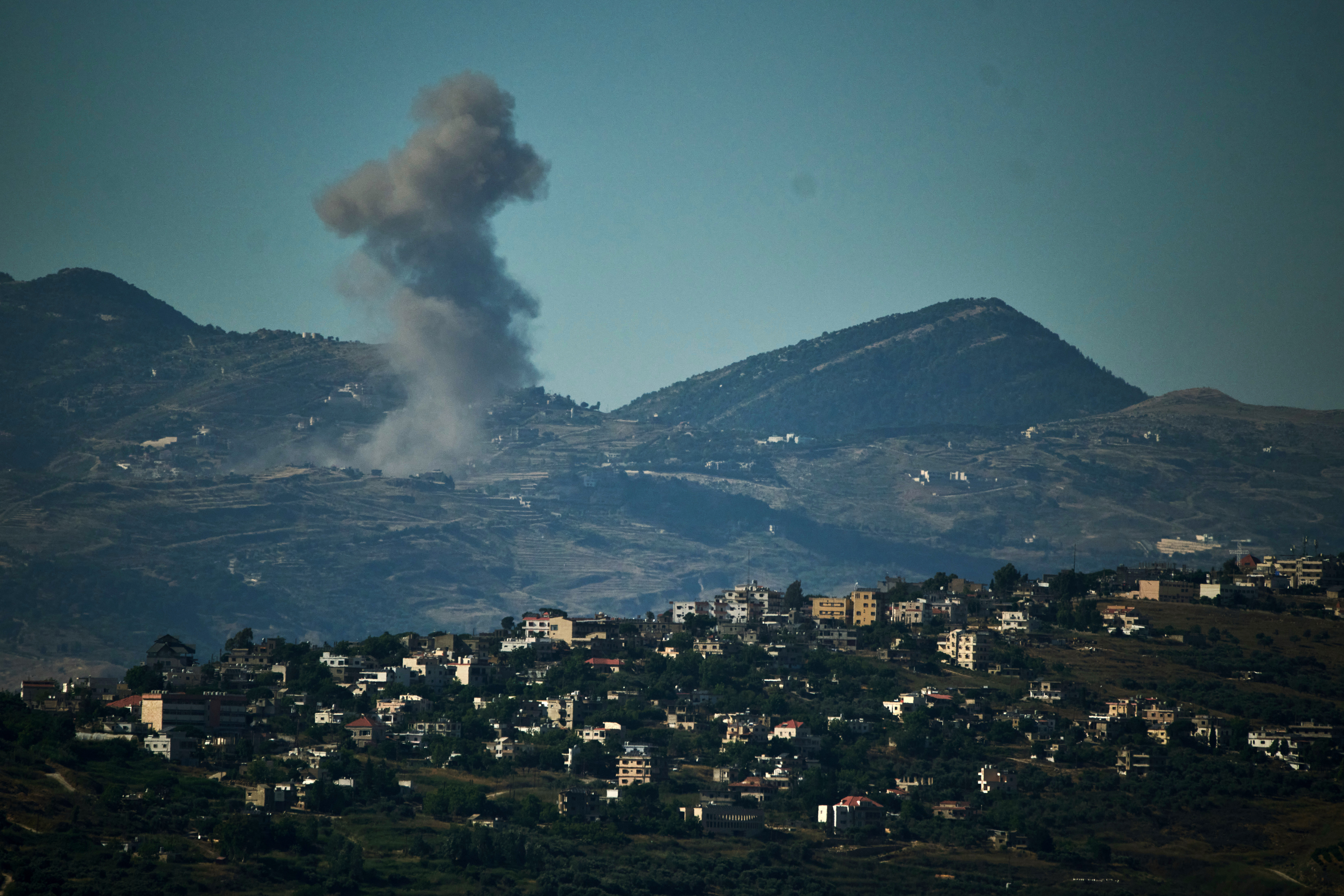
Fighting Persists in Lebanon Despite a Ceasefire as U S Iran Deal Is Under Threat
Executive Summary
AI-generatedGeopolitical instability pushes maritime insurance premiums 3-6% higher within 48 hours, raising immediate operational costs for global energy. While crude oil prices face moderate support due to transit risks (GLOBAL_ENERGY), the key risk is that localized shipping cost spikes will be absorbed into freight rates rather than translating directly into sustained commodity benchmark price increases.
The conflict escalation in Lebanon, driven by Israeli airstrikes and ongoing fighting, creates significant geopolitical instability. This directly impacts regional energy supply routes (e.g., maritime shipping) and raises defense/security spending across the Middle East. The threat to a U.S.-Iran agreement introduces uncertainty into global oil and gas pricing mechanisms due to potential disruption of key transit chokepoints.
Key Insights
- Israeli airstrikes in southern Lebanon on June 20, 2026.
- Ongoing fighting between Israel and Hezbollah.
- Conflict threatens a recent U.S.-Iran interim agreement.
- U.S. and Iranian officials postponed travel to Switzerland for negotiations.
Topic context
Related topics
The full article is on the original publisher site.