www.estrepublicain.fr · · FR
Teheran Replique Apres Les Frappes Americaines Israel Continue De Bombarder Le Liban

News Analysis — AI Analysis
Original analysis generated by News Analysis. This is our own commentary on the story, not the publisher's article text.
The Middle East conflict escalated after Iran announced retaliatory strikes against US bases in Bahrain, Jordan, and Kuwait following American airstrikes near the Strait of Hormuz. Meanwhile, Israel continued bombing Tyre in Lebanon, prompting Hezbollah to claim new attacks on Israeli forces in southern Lebanon.
Key points
- Iran launched counter-attacks targeting US military installations in Gulf countries like Bahrain and Jordan after Washington struck Iranian targets near the Strait of Hormuz.
- The escalation followed an incident where an American Apache helicopter was reportedly shot down by Iran, leading to promises of a strong response from the US.
- Israel maintained its bombing campaign on Tyre, Lebanon, prompting Lebanese authorities to issue evacuation orders for the city's residents.
- Hezbollah claimed responsibility for new attacks against Israeli forces in southern Lebanon, while Israel reported intercepting an individual who crossed the border illegally.
Claims assessed
- VerifiableIran attacked US bases located in Bahrain and Jordan as retaliation for American strikes near the Strait of Hormuz.
- VerifiableThe Israeli military is continuously bombing Tyre, Lebanon, resulting in at least 11 deaths according to Lebanese authorities.
- VerifiableIsrael's army called for all residents of Tyre, including those from the Christian quarter, to evacuate.
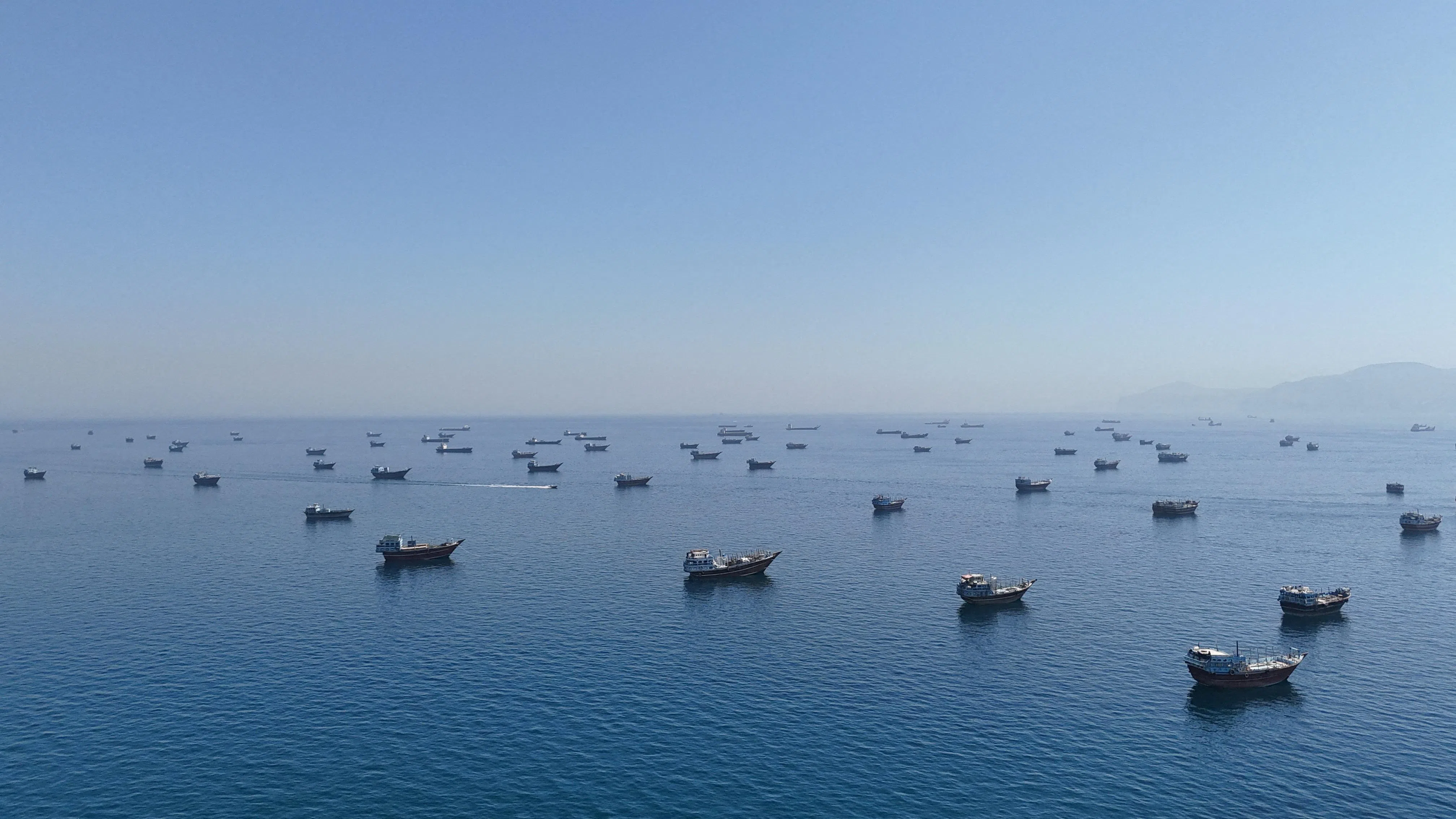
- VerifiableThe US military struck Iranian air defense sites and radar posts near the Strait of Hormuz.
Missing context
The article does not provide context regarding the broader political goals or diplomatic efforts aimed at de-escalating the regional tensions beyond the initial mention of a potential US agreement to end hostilities.
Topic context
The full article is on the original publisher site.
AI insight
AI-generatedGeopolitical instability pushes global energy supply confidence and related services up (2-4% spike within 48h), while crude oil futures face moderate upward pressure. Main risk: The predicted magnitude of spikes is likely moderated by strategic reserves and alternative shipping routes, requiring physical disruption for a sustained surge.
The escalation of military conflict (US-Iran/Israel-Lebanon) increases geopolitical risk premiums. This directly impacts global energy supply confidence and commodity pricing, specifically crude oil futures. The channel is primarily 'supply_shortage' fear and increased insurance/shipping costs.
Signals our AI researcher identified
Extracted by our AI model from this article and related public sources — not direct quotes from the publisher.
- Iran launched attacks on U.S. bases in the Gulf.
- Israel continues to bombard Tyre, Lebanon.
- Tensions escalated in the region.
- Reported consequence: rising oil prices.
Affected products & commodities
- Crude Oil
- Global Energy Supplies
Supply-chain signals
- Strait of Hormuz transit security
- Middle East shipping lanes stability
Historical parallels
- Previous regional conflicts (e.g., Red Sea/Houthi attacks) typically cause immediate spikes in crude oil futures and increase insurance premiums for global shipping.
This analysis would be wrong if
If global inventories prove sufficient to absorb the shock, or if major consuming nations announce immediate deployment of emergency energy supplies.
Protracted conflict elevates the structural cost of global oil transport and storage. Increased security costs will maintain a persistent upward price support over the next 2-4 weeks.
Sign in to see all sector verdicts, full thesis and counter-argument debate.
Sector impact at a glance
- COMMODITY_OILmid
- COMMODITY_OILshort
- EM_MARKETSmid
- EM_MARKETSshort
- GLOBAL_ENERGYmid
- GLOBAL_ENERGYshort