economictimes.indiatimes.com ·
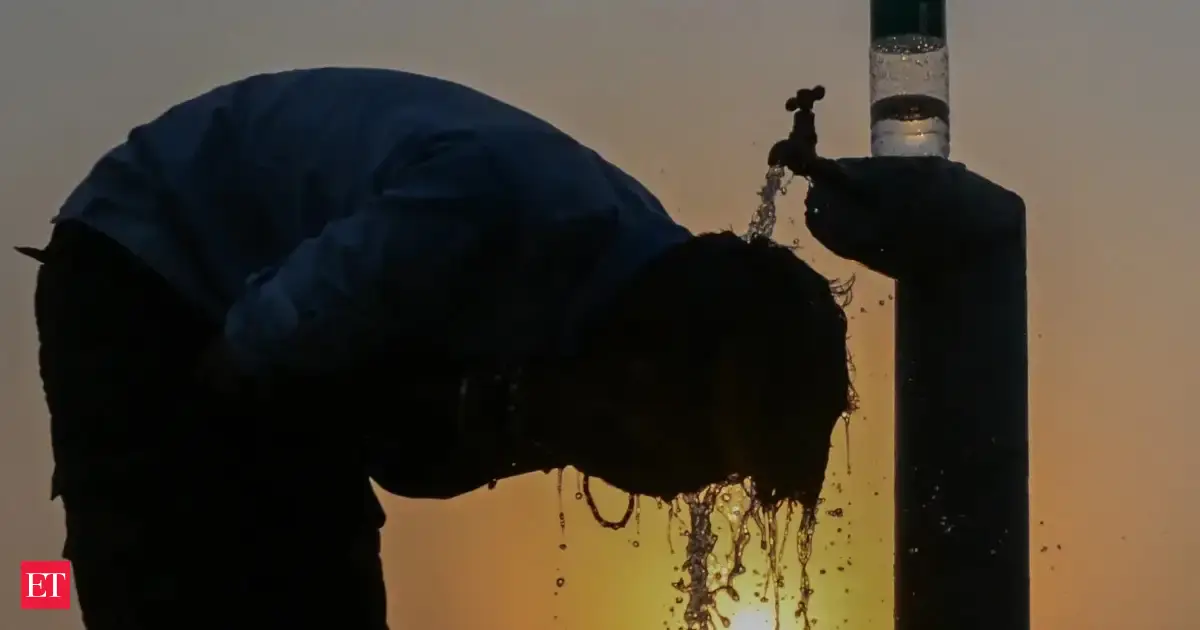
Indias Scorching Nights Strain Power Grid and Threaten Health
Topic context
This topic has been covered 318087 times in the last 7 days across our monitored publishers.
The full article is on the original publisher site.
AI insight
AI-generatedIndia's rising nighttime temperatures are driving electricity demand spikes, causing supply shortfalls of up to 5 GW. This strains the power grid, particularly affecting low-income households in Uttar Pradesh. The mechanism is demand_spike for electricity, leading to potential margin squeeze for distribution companies (discoms) due to higher procurement costs and regulatory constraints. Impact is country-specific (India).
Signals our AI researcher identified
Extracted by our AI model from this article and related public sources — not direct quotes from the publisher.
- Average minimum temperatures March-May exceeded long-term averages for 8 of past 10 years.
- Summer 2026 expected above-normal minimum temperatures.
- Daily electricity supply shortfalls up to 5 GW.
- Around 3 million low-income households affected, especially in Uttar Pradesh.
- 93% of homes in Uttar Pradesh report power outages.
Electricity procurement costs for Indian discoms are expected to decline 2-3% within 48h due to demand spikes and regulatory constraints.
Sign in to see all sector verdicts, full thesis and counter-argument debate.
Sector impact at a glance
- UTILITIESmid
- UTILITIESshort
Related stories
straitstimes.com
Explainer What Is Behind the Rising Volume of Russian Oil Arriving in Spore

finanznachrichten.de
68589357 southern energy corp announces first quarter 2026 financial results and williamsburg joint venture agreement 200
stockhouse.com
Southern Energy Corp Announces First Quarter 2026 Financial Results and

investordaily.com.au
The Viewpoint Competing Forces AI Versus Iran

bulatlat.com