www.gdnonline.com:443 ·
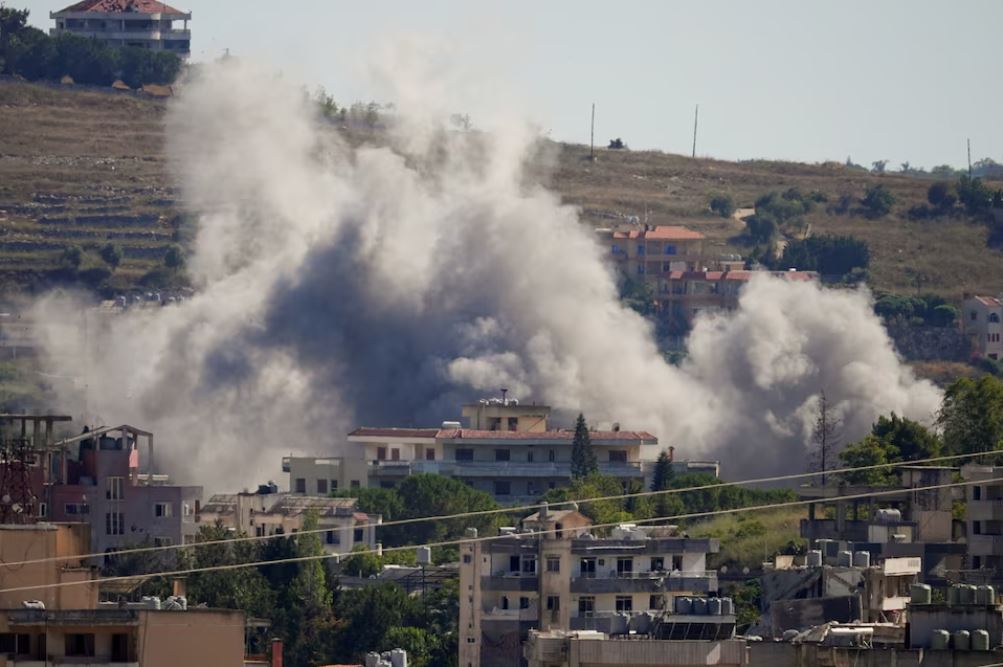
Lebanon ceasefire agreed
Executive Summary
AI-generatedDe-escalation reduces crude oil and natural gas volatility in the short term (2-3% downward pressure within 48h), benefiting industrial input costs. Key risk: The actual price drop is likely muted due to underlying supply factors, while cost benefits for manufacturers are delayed by fixed contracts.
The ceasefire agreement reduces immediate geopolitical risk associated with the Middle East conflict. This lowers potential supply shock risks for crude oil and natural gas, thereby easing upward pressure on global energy prices (COMMODITY_OIL/GAS). The impact is primarily regional but has a global pass-through effect on commodity pricing and investment sentiment.
Key Insights
- Ceasefire agreed between Israel and Hizbollah in Lebanon on October 3, 2023.
- Conflict resulted in over 7,000 deaths primarily in Iran and Lebanon.
- The conflict contributed to rising global energy prices.
Topic context
Related topics
The full article is on the original publisher site.