www.thecable.ng ·
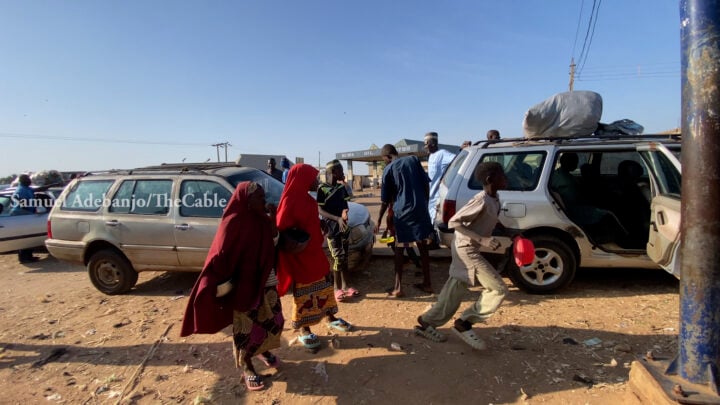
Ending Nigerias 18 3m Out of School Children Crisis
The full article is on the original publisher site. This page only shows the headline and a very short excerpt.
AI insight
AI-generatedThe education crisis in Nigeria reflects broader socioeconomic challenges including high poverty rates and regional insecurity, particularly in northern regions. Budgetary constraints with education funding falling below UNESCO recommendations compound the problem, potentially impacting long-term human capital development and economic growth.
Signals our AI researcher identified
Extracted by our AI model from this article and related public sources — not direct quotes from the publisher.
- Nigeria has 18.3 million out-of-school children, the highest globally according to 2024 UNICEF report
- 10.2 million at primary level and 8.1 million at junior secondary level are out of school
- Proposed 2026 education budget is N3.53 trillion (6.1% of total), down from 7.3% in 2025
- Crisis exacerbated by poverty (133 million in multidimensional poverty), insecurity, and cultural barriers
- School closures and reduced access to quality education are ongoing challenges
Structural challenges such as poverty and insecurity will continue to negatively impact the education sector's development. However, potential international partnerships could provide localized improvements amidst broader challenges.
Sign in to see all sector verdicts, full thesis and counter-argument debate.
Sector impact at a glance
- EDUCATIONmid
- EDUCATIONshort