www.nextbigfuture.com ·
Spacexai 5 Data Center Locations More Energy Rubin Chips 300 Billion Revenue Runrate
Topic context
Related topics
The full article is on the original publisher site.
AI insight
AI-generatedThe massive AI capex cycle pushes Data Center Real Estate/Capacity and associated power inputs (Natural Gas/Electricity) up in the short-to-mid term, driven by immediate bottlenecks. Key risk: The projected price spikes are highly localized and constrained by existing utility regulations; sustained premium pricing is vulnerable to cyclical slowdowns.
This news signals a massive, multi-year capital expenditure cycle (capex) and capacity expansion within the AI infrastructure sector. The primary commercial mechanism is the demand for high-density compute power (GPUs/AI chips), driving increased demand for specialized real estate, local utility grid upgrades, and associated energy generation (gas turbines). The direct beneficiaries are data center operators (SPACEXAI) and energy providers (Solaris Energy Infrastructure).
Signals our AI researcher identified
Extracted by our AI model from this article and related public sources — not direct quotes from the publisher.
- SPACEXAI established five data center locations (Memphis, Tennessee; Southaven, Mississippi)
- Colossus 1 operational since mid-2024 with 230,000 GPUs leased to Anthropic for $1.25 billion/month
- Total planned capacity scale: 3-5 GW by end of 2027
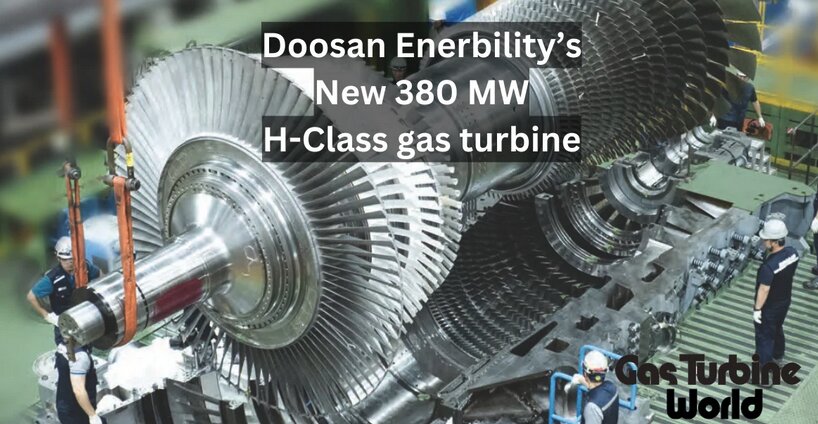
- Joint venture with Solaris Energy Infrastructure for gas turbine power generation
- Colossus 2 construction started in March 2025
Affected products & commodities
- High-performance GPUs (e.g., NVIDIA Blackwell)
- Data Center Real Estate/Capacity
- Natural Gas/Electricity (for gas turbine power generation)
Supply-chain signals
- AI Chip Supply Chain Capacity (NVIDIA, etc.)
- Regional Power Grid Capacity (Duke Energy, Stateline Power)
- Data Center Construction Materials and Labor
Historical parallels
- Increased demand for data centers often leads to localized power grid bottlenecks and higher costs for utility connections, mirroring the current trend of major tech players securing long-term energy supply agreements.
This analysis would be wrong if
If regional utilities publish rate adjustments that cap cost pass-through, or if major tech players announce a significant pause/delay in their multi-GW deployment plans.
Data Center Real Estate/Construction Materials maintain sustained upward cost pressure in the mid-term (1-4 weeks) due to multi-GW expansion plans. Key risk: Long-term material costs are vulnerable to global commodity supply chain disruptions.
Sign in to see all sector verdicts, full thesis and counter-argument debate.
Sector impact at a glance
- EM_CONSTRUCTIONmid
- EM_CONSTRUCTIONshort
- GLOBAL_TECHmid
- GLOBAL_TECHshort
- SEMICONDUCTORSmid
- SEMICONDUCTORSshort
- UTILITIESmid
- UTILITIESshort
Related stories
nakedcapitalism.com
The US May Not Have Troops on the Ground but Venezuelas Government Is Occupied

pmnewsnigeria.com
Beyond the Headlines Why Oshiomholes Rogues Remark Harms Nigerias Global Standing

theglobeandmail.com
Article Mondays Analyst Upgrades and Downgrades 275
inquirer.com
Three Mile Island Nuclear Plant Reopening

nigerianobservernews.com