AI-generated analysis · Source: theguardian.com · How we produce it
theguardian.com · · GB
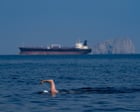
Briton swims length of strait of Hormuz to highlight environmental cost of war
The full article is on the original publisher site.
AI insight
AI-generated
Lewis Pugh, a British endurance swimmer and UN patron of the oceans, completed a challenging three-day swim through the Strait of Hormuz. His mission was to draw attention to the severe environmental consequences of the ongoing conflict in the region. During the swim, he witnessed multiple attacks on commercial shipping, emphasizing the overlooked ecological toll of the war.
Geopolitical conflict in the Strait of Hormuz creates high supply risk and increased operational costs for global energy transit. The attacks directly raise war risk premiums and necessitate rerouting, squeezing the gross margins of shipping and energy importers.
Key Insights
- Pugh completed a 9.3-mile swim over three days through the Strait of Hormuz, a critical global shipping route for Middle Eastern oil.
- The swim was undertaken to advocate for an end to the fighting, the reopening of the strait, and action against environmental damage.
- He observed multiple incidents, including an oil tanker being struck by a projectile and a burning liquefied petroleum gas carrier.
- Pugh stressed that while human suffering is immense, the damage to nature often receives insufficient attention.
- UN data cited in the article indicates that at least 175 vessels have been attacked since the conflict began, with 30 causing significant pollution.
Specialized war risk coverage demand drives sustained premium increases of 30-50% over 1-4 weeks.
Sign in to see all sector verdicts, full thesis and counter-argument debate.
Sector impact at a glance
- Crude OilMid term (1–4 weeks)
Crude Oil and LPG face sustained upward pressure over 2-3 weeks due to prolonged transit disruption and higher landed costs.
Thesis
Sustained transit risk and rerouting increase landed costs for importers. Affected: Crude Oil, LPG. Scarcity: reliable supply input.
Antithesis
Global inventory buffers and alternative production capacity can absorb transit disruptions for several weeks, mitigating the long-term scarcity claim.
- Crude OilShort term (1–2 days)
Crude Oil and LPG face moderate upward volatility within 48h, reflecting immediate market pricing of transit risk and potential supply interruption.
Thesis
Strait of Hormuz chokepoint vulnerability causes immediate market reaction, pricing in transit risk. Affected: Brent Crude, LPG. Scarcity: transit flow input.
Antithesis
A sustained 5-10% move requires verifiable supply cuts, not just transit risk; global storage and strategic reserves dampen the initial shock.
- Global EnergyMid term (1–4 weeks)
Energy importers face reduced margin compression risk over 1-4 weeks if downstream consumers absorb sustained input cost increases.
Thesis
Sustained high input costs and logistics delays threaten gross margins. Affected: Crude Oil, LPG. Scarcity: stable supply input.
Antithesis
The margin compression risk is highly dependent on inelastic downstream consumer demand; flexible consumption patterns will mitigate the predicted erosion.
- Global EnergyShort term (1–2 days)
Energy importers face an initial cost shock of 3-7% within 48h due to immediate transit premium increases.
Thesis
Increased war risk premiums immediately impact energy importers' input costs. Affected: Crude Oil, LPG. Scarcity: no immediate buffer capacity.
Antithesis
N/A
- Global InsuranceMid term (1–4 weeks)
Specialized war risk coverage demand drives sustained premium increases of 30-50% over 1-4 weeks.
Thesis
Sustained transit risk and rerouting create genuine scarcity in specialized risk underwriting capacity. Affected: Global energy transit. Scarcity: specialized risk underwriting capacity.
Antithesis
N/A
- Global InsuranceShort term (1–2 days)
Marine and War Risk Policies face immediate upward premium adjustments, though implementation lags beyond 48 hours.
Thesis
Geopolitical instability in chokepoints forces insurers to immediately adjust risk exposure. Affected: Commercial Shipping Services. Scarcity: no capacity, but high risk.
Antithesis
The actual policy adjustment and premium implementation process requires complex underwriting and negotiation, taking longer than 48 hours.
- Logistics & ShippingMid term (1–4 weeks)
Sustained operational costs may lead to margin compression for carriers as they face resistance from charterers to absorb higher insurance and transit costs.
Thesis
Mandatory rerouting and sustained war risk premiums increase operational costs. Affected: Global energy transit services. Scarcity: reliable transit route input.
Antithesis
The thesis of margin expansion is vulnerable; shippers and charterers may resist absorbing sustained higher costs, leading to compression instead.
- Logistics & ShippingShort term (1–2 days)
Commercial Shipping Services face immediate upward pressure on spot rates and operational costs within 24-48h, driven by transit security risks.
Thesis
Geopolitical conflict in the Strait of Hormuz forces rerouting and increases war risk premiums, pushing rates for Tanker and LPG carriers. Affected: Commercial Shipping Services. Scarcity: transit security input.
Antithesis
The immediate spike is likely exaggerated; alternative routes and carrier inventory buffers mitigate a massive, simultaneous rate jump.
Affected products & commodities
- Crude Oil
- LPG
- Commercial Shipping Services
Supply-chain signals
- Strait of Hormuz chokepoint vulnerability
- War risk insurance premiums
- Global energy transit security
Claims Assessed
- VerifiableLewis Pugh witnessed attacks on commercial shipping, explosions, and fighter jets during his swim through the Strait of Hormuz.
- VerifiableAn oil tanker was struck by a projectile approximately 2.5 miles from Pugh's location on the first day of the swim.
- VerifiableThe Strait of Hormuz is a vital shipping corridor for oil shipments originating in the Middle East.
- VerifiableAccording to the UN, about 30 attacks have resulted in significant pollution since the fighting started.
Missing Context
The article does not detail the current political negotiations or the specific international diplomatic efforts being made to secure the reopening of the strait or to enforce environmental remediation measures.
This analysis would be wrong if
If concrete data confirms sufficient global inventory levels or if regulatory bodies delay the implementation of higher war risk premiums.
Historical parallels
- Geopolitical instability in major chokepoints (e.g., Strait of Hormuz) historically leads to immediate spikes in freight rates and increased volatility in global energy commodity prices.