economictimes.indiatimes.com ·
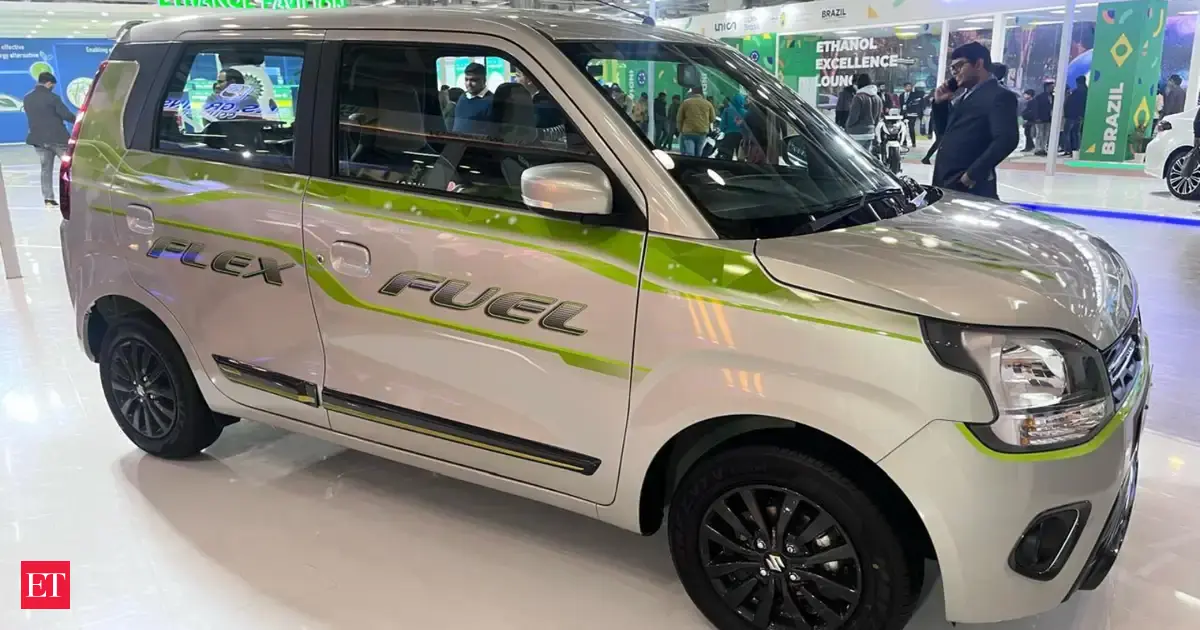
Maruti Suzuki Wagon R Bioflex Price Revealed Indias First Flex Fuel Hatchback Costs Rs 86000 More Than Top End Petrol Model
Topic context
Related topics
The full article is on the original publisher site.
AI insight
AI-generatedThe core structural signal is that India's government commitment to ethanol blending provides a strong long-term tailwind for specialized component suppliers and bioenergy infrastructure. AUTOS_EV and EM_INDUSTRIALS are expected to see sustained demand growth, but the short-term margin/revenue spikes across all sectors (AUTOS_EV, GLOBAL_ENERGY) are likely overstated due to existing inventory buffers and long B2B sales cycles. Main risk: if the timeline for capacity expansion is misjudged, immediate profitability gains will not materialize.
Maruti Suzuki is expanding its product line with a flex-fuel vehicle (Wagon R Bioflex), directly leveraging Indian government policy support for alternative fuels. This shift increases demand for ethanol/biofuels as an input cost substitute for traditional gasoline, potentially boosting the profitability of fuel distributors and automotive manufacturers focusing on sustainable mobility in India.
Signals our AI researcher identified
Extracted by our AI model from this article and related public sources — not direct quotes from the publisher.
- Maruti Suzuki launched Wagon R Bioflex (India's first flex-fuel hatchback)
- Bioflex price is Rs 7.24 lakh ex-showroom
- Bioflex costs Rs 86,000 more than top-end petrol model
- Engine supports ethanol blends from E20 to E100
- Indian government promoting ethanol blending and 100% ethanol use
Affected products & commodities
- Automobile (Wagon R Bioflex)
- Ethanol-blended fuel
- Petrol/Gasoline
Supply-chain signals
- Indian government mandate for ethanol blending
- Engine modification and compatibility testing (K12N engine)
Historical parallels
- Previous shifts towards blended fuels (e.g., E10) typically lead to initial supply chain adjustments in fuel distribution, but stable long-term demand growth for the alternative source.
This analysis would be wrong if
If component suppliers or fuel distributors demonstrate that short-term demand spikes are absorbed by existing inventories/production schedules, negating any immediate margin uplift.
The long-term shift to flex-fuel technology will increase demand for sustainable mobility solutions and specialized component manufacturing. The key risk is that achieving specific margin expansion requires significant lead time for tooling and skilled labor integration.
Sign in to see all sector verdicts, full thesis and counter-argument debate.
Sector impact at a glance
- AUTOS_EVmid
- EM_INDUSTRIALSmid
- GLOBAL_ENERGYmid
Related stories
seattletimes.com
Scientists Race to Test Treatments as Ebola Outbreak Widens

irishtimes.com
US Iran Peace Deal Strait of Hormuz Live Updates

abcnews.com
History Irans Nuclear Program Tensions US Interim Deal

irishtimes.com
Oil Prices Retreat as the US and Iran Reach Peace Agreement

bostonglobe.com