www.businesstimes.com.sg ·
china uses anti sanctions law counter us blacklisting refiners bought iranian crude
The full article is on the original publisher site. This page only shows the headline and a very short excerpt.
AI insight
AI-generatedChina's invocation of anti-sanctions law creates legal risk for global companies operating in both US and China, specifically targeting oil refiners that buy Iranian crude. The mechanism is regulatory: Chinese refiners face potential US secondary sanctions but are ordered by China to ignore them, creating a compliance dilemma. This could reduce Iranian crude supply to China if refiners comply with US sanctions, or increase supply if they follow Chinese law. Impact is China-specific but has global oil market implications due to China's role as top Iranian crude buyer.
Signals our AI researcher identified
Extracted by our AI model from this article and related public sources — not direct quotes from the publisher.
- China invoked anti-sanctions law for first time against US blacklisting of five oil refiners buying Iranian crude.
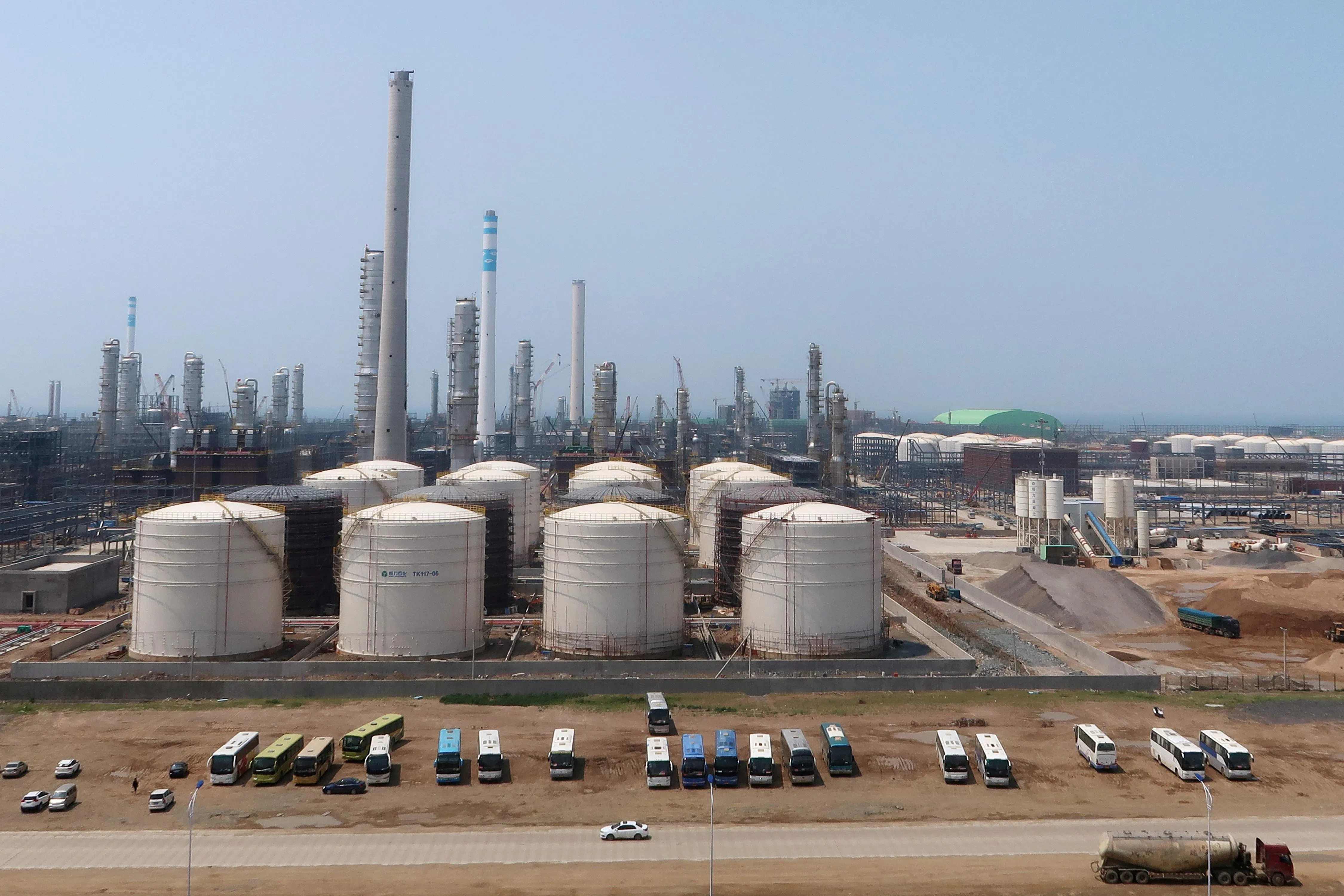
- Hengli Petrochemical among refiners blacklisted by US for purchasing Iranian crude.
- China's Ministry of Commerce ordered companies not to comply with US sanctions.
- Law revised in April 2026 allows China to impose countermeasures on companies and individuals.
- Event occurs weeks before US President Trump's visit to Beijing.
Mid-term EM markets stabilize as diplomatic channels de-escalate, with a 2-4 week window and a potential recovery of 1-2%.
Sign in to see all sector verdicts, full thesis and counter-argument debate.