AI-generated analysis · Source: electrek.co · How we produce it
electrek.co · · US
Congress just passed a major e-bike safety law. Here’s what it actually means
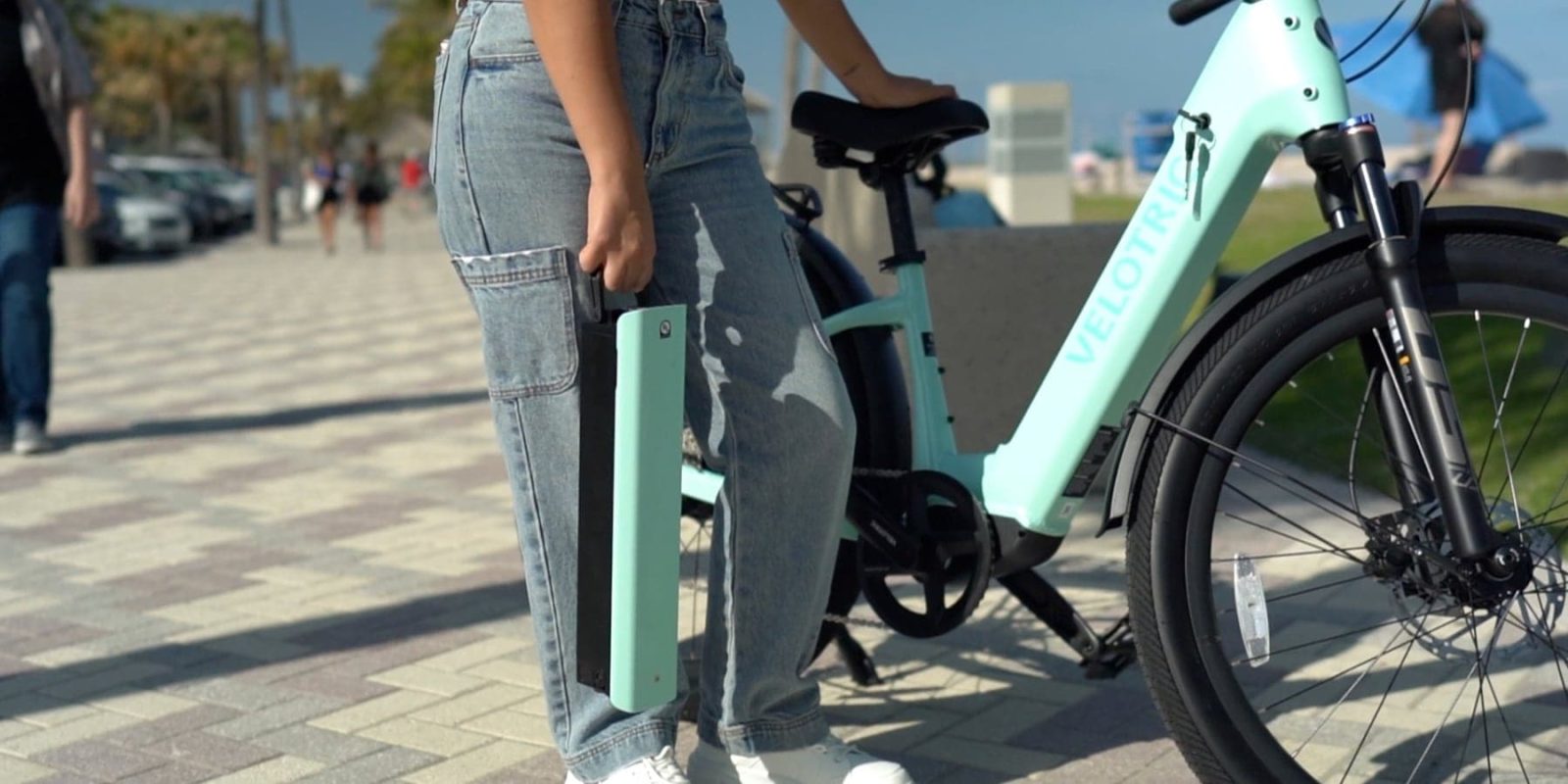
The full article is on the original publisher site.
AI insight
AI-generated
A major piece of legislation, the Setting Consumer Standards for Lithium-Ion Batteries Act, has passed Congress, moving e-bike battery safety standards from voluntary guidelines to mandatory federal requirements. This bill requires the Consumer Product Safety Commission (CPSC) to adopt specific UL safety standards nationwide, establishing a baseline for consumer safety across the industry. The change is expected to most significantly affect lower-end and uncertified products entering the US market.
The regulatory channel imposes increased compliance and testing costs on manufacturers and suppliers of e-bike batteries and components. This mechanism is expected to squeeze gross margins for companies unable to absorb the new federal safety requirements.
Key Insights
- The Setting Consumer Standards for Lithium-Ion Batteries Act has passed Congress and is awaiting presidential signature.
- The CPSC will be mandated to convert three existing UL safety standards into mandatory federal requirements.
- These standards cover light electric vehicle batteries, e-bike electrical systems, and personal e-mobility devices.
- The legislation aims to create a nationwide minimum safety floor for e-bike products, replacing the current largely voluntary compliance.
- The primary impact is anticipated for less expensive, uncertified e-bikes and replacement batteries, rather than established brands.
Lithium-Ion Batteries and E-bike electrical systems will experience significant long-term profitability erosion (2-4 weeks) driven by mandatory CAPEX increases for compliance.
Sign in to see all sector verdicts, full thesis and counter-argument debate.
Sector impact at a glance
- Autos & EVMid term (1–4 weeks)
Lithium-Ion Batteries and E-bike electrical systems will experience significant long-term profitability erosion (2-4 weeks) driven by mandatory CAPEX increases for compliance.
Thesis
Mandatory federal safety standards implementation requires significant CAPEX increases for Lithium-Ion Batteries and E-bike electrical systems, leading to sustained margin erosion over the mid-term.
Antithesis
None
- Autos & EVShort term (1–2 days)
Lithium-Ion Batteries and E-bike electrical systems face initial margin pressure in the near term (48h-1 week) due to regulatory uncertainty and anticipatory compliance costs.
Thesis
The pending federal safety mandate imposes compliance costs on Lithium-Ion Batteries and E-bike electrical systems. Anticipatory margin compression is expected, though the immediate impact is limited by the time required for cost absorption.
Antithesis
The initial margin compression thesis is overly aggressive; material cost increases or inventory shifts cannot materialize within 48 hours of a pending regulatory signature, meaning the initial impact is uncertainty, not immediate erosion.
- Global IndustrialsMid term (1–4 weeks)
Component manufacturing faces increased operational costs (1-4 weeks) due to mandatory testing requirements, though the full cost increase may not be passed through.
Thesis
Regulatory compliance implementation increases operational costs for Component manufacturing and E-bike electrical systems due to mandatory testing. However, the magnitude is reduced as suppliers may absorb these costs rather than passing them entirely to buyers.
Antithesis
In competitive component manufacturing, suppliers may absorb increased operational costs (testing/overhead) rather than passing them entirely to buyers, especially if the market lacks strong pricing power.
- Global IndustrialsShort term (1–2 days)
Testing/Certification services are expected to see a modest revenue uplift (48h-1 week) as manufacturers begin preparing for compliance mandates.
Thesis
The regulatory mandate for UL 2849 conversion drives immediate demand for Testing/Certification services. However, the immediate revenue uplift is dampened by the required lead time for bidding and contract execution.
Antithesis
The immediate demand spike for compliance services is unrealistic; the process of bidding, securing contracts, and executing specialized compliance testing requires lead time far exceeding 48 hours.
Affected products & commodities
- Lithium-Ion Batteries
- E-bike electrical systems
Supply-chain signals
- Regulatory compliance (CPSC)
- UL 2849 certification requirements
Claims Assessed
- VerifiableThe US Senate unanimously passed H.R. 973, known as the Setting Consumer Standards for Lithium-Ion Batteries Act, on November 19.
- VerifiableThe CPSC will be required to adopt three specific UL safety standards as mandatory federal consumer product safety standards.
- VerifiableThe legislation grants the CPSC 180 days after enactment to finalize the three standards.
- VerifiableMandatory standards do not guarantee against all hazards, as issues like improper repairs or manufacturing defects can still cause problems.
Missing Context
The article does not detail the specific penalties or enforcement mechanisms the CPSC will use if manufacturers fail to comply with the new mandatory standards.
This analysis would be wrong if
If inventories of compliant components prove sufficient, or if the regulatory timeline is significantly delayed beyond the 180-day window.
Historical parallels
- Previous mandatory safety standard implementations (e.g., automotive crash standards) typically lead to initial CAPEX increases and short-term margin pressure on component suppliers.