correodelcaroni.com ·
De Paria a Falcon Coletazo De Marea De Sargazo En Caribe Amenaza Pesca Y Biodiversidad
Executive Summary
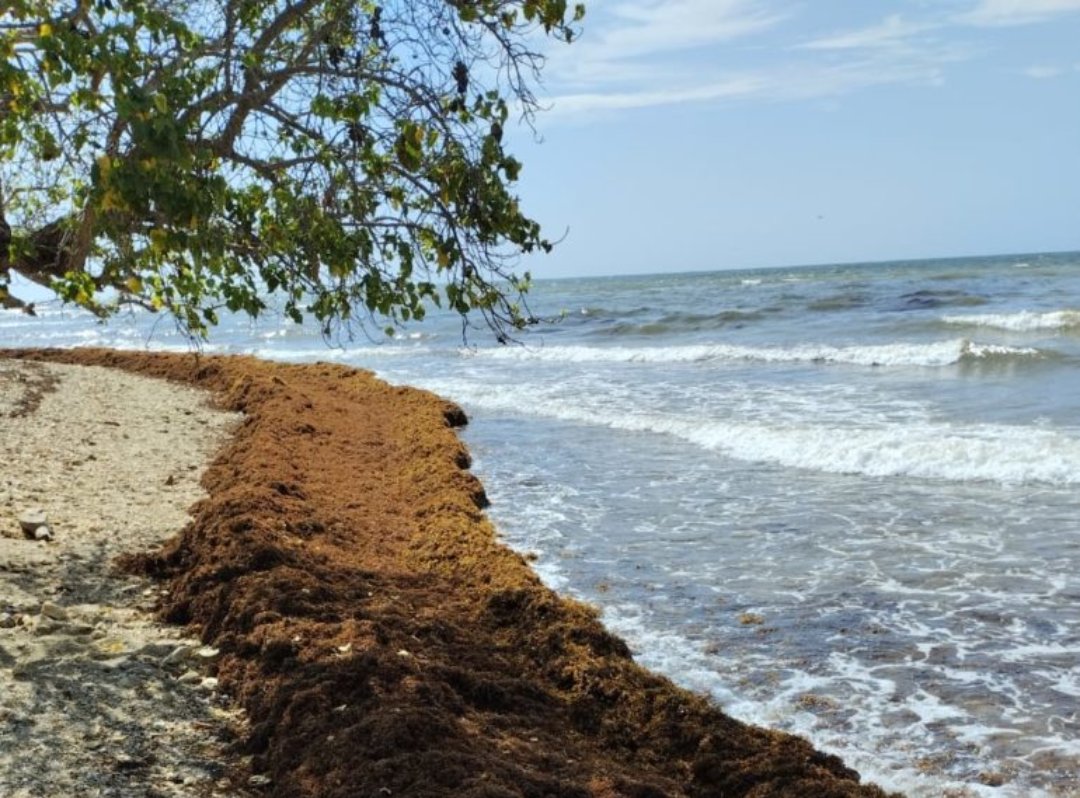
AI-generatedMassive sargassum seaweed blooms are raising environmental alarms across the Caribbean, with Venezuela's Paria Gulf facing a medium risk level for inundation. The accumulation of this algae threatens local economies and biodiversity by creating oxygen-deprived zones (hypoxia) and releasing toxic substances. Compounding the crisis, recent inspections revealed that some sargassum fragments are contaminated with crude oil from an offshore spill.
The primary commercial mechanism is the degradation of marine ecosystems (sargassum bloom + oil contamination), directly impacting local fishing yields and potentially disrupting coastal logistics/tourism. This affects the input cost for fisheries and reduces the operational capacity of maritime activities in the Gulf of Paria region.
Key Insights
- Sargassum accumulation in coastal areas is causing severe environmental damage by blocking sunlight and creating hypoxic zones.
- The decomposition of the algae releases toxic substances like hydrogen sulfide, contributing to air pollution and bad odors.
- Inspections found that sargassum fragments in the Paria Gulf are partially contaminated with crude oil from a spill originating near Trinidad and Tobago.
- While some areas show low risk, the Paria Gulf remains highly vulnerable, posing a threat to key fishing grounds and sea turtle nesting sites.
- The crisis is impacting local communities, as evidenced by reports of dead fish observed on beaches in Sucre state.
Topic context
The full article is on the original publisher site.