www.rte.ie · · IE
1578405 iran deal

News Analysis — AI Analysis
Original analysis generated by News Analysis. This is our own commentary on the story, not the publisher's article text.
US and Iranian officials have reportedly reached a comprehensive peace framework aimed at ending hostilities, lifting the US blockade on Iran, and reopening the Strait of Hormuz. The deal, mediated by Pakistan's Prime Minister Shehbaz Sharif, is set for an official signing in Switzerland on Friday. Key components include terminating military operations across all fronts, including Lebanon, and addressing sanctions relief and Iran's nuclear program.
Key points
- The agreement aims to end the conflict between the US and Iran, halt the US blockade of Iranian ports, and reopen the Strait of Hormuz for global energy shipments.
- Pakistan PM Shehbaz Sharif announced the pact, which mandates the immediate and permanent cessation of military actions on all fronts, including Lebanon.
- The deal's official signing ceremony is scheduled to take place in Switzerland this Friday, though precise terms remain undisclosed.
- Further negotiations are planned during a 60-day ceasefire period to address sanctions relief and the future of Iran's nuclear program.
- Despite the peace talks, an Israeli airstrike on southern Beirut created tension, drawing criticism from both Iran and US sources.
Claims assessed
- VerifiableUS and Iranian officials have agreed to a peace framework that will end their war, lift the blockade of Iran, and reopen the Strait of Hormuz.
- VerifiableThe deal requires the immediate and permanent termination of military operations on all fronts, including Lebanon.
- VerifiableOil prices dropped significantly following the announcement due to expectations of resumed oil flow through the Strait of Hormuz.
- VerifiableThe agreement will address sanctions relief and the fate of Iran's nuclear program during subsequent talks.
Missing context
The article does not provide the specific terms of the agreement beyond general points (e.g., termination of operations). Furthermore, it fails to detail how Israel's stated non-participation in the US-Iran deal will affect regional stability or future enforcement mechanisms for the peace pact.
Topic context
Related topics
The full article is on the original publisher site.
AI insight
AI-generatedThe US-Iran peace deal pushes Brent crude futures down 2-3% within 48 hours due to de-risking and Strait of Hormuz stability. This signals a short-term commodity price drop, while EM markets see only modest positive sentiment lift. Main risk: If global tanker utilization rates or existing hedging contracts dampen the immediate reflex decline.
The agreement to ease tensions between the US and Iran, coupled with the reopening of the Strait of Hormuz (a critical global oil chokepoint), immediately reduced perceived geopolitical risk. This directly lowered the cost of crude oil transport and supply stability expectations, leading to a sharp drop in commodity prices. The primary mechanism is de-risking/geopolitical stabilization affecting energy trade.
Signals our AI researcher identified
Extracted by our AI model from this article and related public sources — not direct quotes from the publisher.
- US and Iranian officials reached a peace framework.
- Deal aims to end conflict, halt US blockade of Iran, and reopen Strait of Hormuz.
- Oil prices fell following the announcement.
- Brent crude futures dropped 4%.
- US releasing $25 billion of frozen Iranian assets.
Affected products & commodities
- Brent crude
- Crude oil futures
Supply-chain signals
- Strait of Hormuz transit stability
- US sanctions relief on Iranian assets
Historical parallels
- Major de-escalation events in the Middle East (e.g., temporary ceasefires) typically cause immediate, sharp drops in crude oil futures due to reduced geopolitical risk premiums.
This analysis would be wrong if
If shipment disruption is not verified, if insurance premiums normalize quickly, or if major economies signal deep recessionary fears.
The market will stabilize post-shock; the focus shifts to OPEC+ output decisions and global demand cycles over the next few weeks.
Sign in to see all sector verdicts, full thesis and counter-argument debate.
Sector impact at a glance
- COMMODITY_OILmid
- COMMODITY_OILshort
- EM_MARKETSshort
- GLOBAL_ENERGYmid
- GLOBAL_ENERGYshort
Related stories
economictimes.indiatimes.com
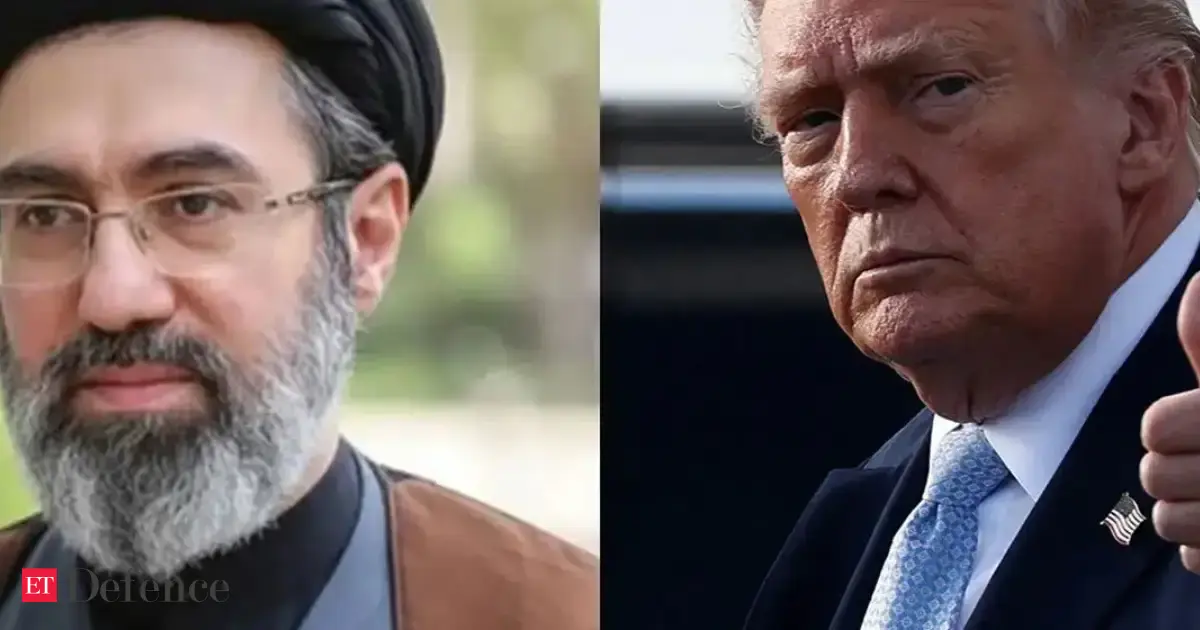
Nukes Crude Sanctions Frozen Assets Inside the 14 Point US Iran Peace Agreement

rnz.co.nz
When Could Iran Deal Bring Petrol Prices Down

sueddeutsche.de
ukraine krieg newsblog hoehlenkloster kiew russland angriffe putin li.
smh.com.au
Trump S Deal Will Show How Pointless His War Was 20260615 P606s6
thedailybeast.com