www.thestar.com.my · · MY
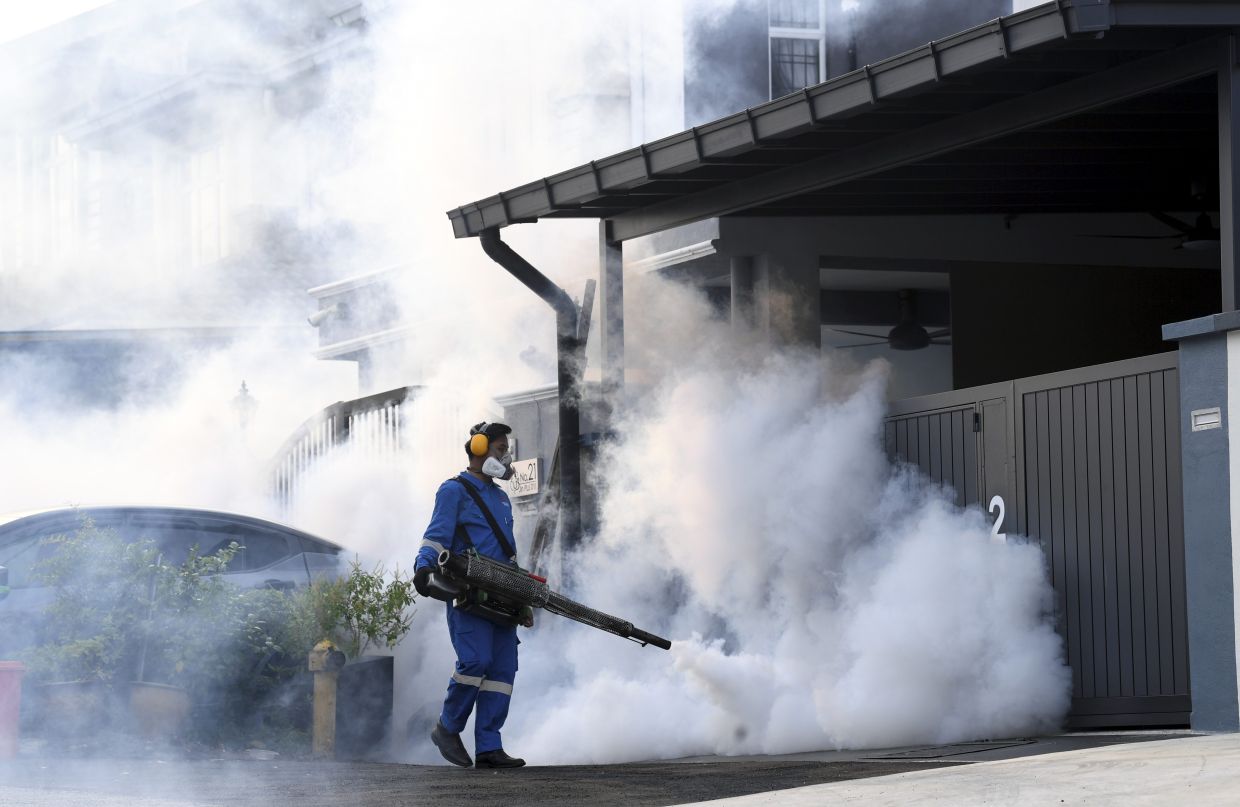
Community Empowerment Environmental Intervention Key to Dengue Free Neighbourhoods Says Dr Dzul
News Analysis — AI Analysis
Original analysis generated by News Analysis. This is our own commentary on the story, not the publisher's article text.
The Health Minister outlined that Malaysia's dengue control strategy, under the Komuniti Bebas Denggi (KomBeD) program, requires a comprehensive 'whole-of-society' approach involving environmental intervention, community empowerment, and scientific surveillance. He noted significant regional increases in dengue cases and deaths, while also highlighting successful efforts to maintain zero indigenous human malaria cases.
Key points
- The national dengue strategy utilizes a 3E model: environmental action, community involvement, and entomological monitoring.
- Environmental interventions promote clean communities through waste management, tree planting, and energy conservation, exemplified by local recycling projects.
- Community empowerment encourages residents to actively participate in identifying problems and conducting routine home inspections to eliminate mosquito breeding sites.
- Malaysia recorded a significant increase in dengue cases and deaths compared to the previous year, with DENV-3 serotype dominating infections.
- While zero indigenous human malaria cases have been maintained since 2018, the country still faces challenges from zoonotic malaria, requiring a 'One Health' approach.
Claims assessed
- VerifiableMalaysia recorded 33,367 dengue cases in 2026 (as of June 13), representing a 20.70% increase from 2025.
- VerifiableDengue-related deaths increased by 43.75%, reaching 23 fatalities compared to 16 in 2025.
- VerifiableThe Health Ministry emphasizes that dengue patterns are cyclical, peaking every four to five years due to global climate change and monsoon shifts.
- VerifiableIn 2025, zoonotic malaria accounted for 80.55% of total malaria cases in Malaysia.
Missing context
The article provides current case numbers but does not detail the specific policy changes or resource allocations planned for 2027 to address the identified surges in dengue and zoonotic malaria.
Topic context
Related topics
The full article is on the original publisher site.
AI insight
AI-generatedIncreased dengue incidence drives short-term operational demand for vector control chemicals and surveillance equipment (GLOBAL_HEALTHCARE up, magnitude 2) over the next few weeks. Key risk: The actual commercial uplift is likely constrained by slow local government procurement cycles and existing inventory levels.
This news details a public health campaign (KomBeD) focused on vector-borne disease control in Malaysia, primarily involving public health services and local government initiatives. The commercial impact is limited to the healthcare sector's operational capacity and potential demand for preventative/treatment supplies, rather than commodity pricing or large capital expenditure cycles.
Signals our AI researcher identified
Extracted by our AI model from this article and related public sources — not direct quotes from the publisher.
- Malaysia reported 33,367 dengue cases as of June 13, 2026.
- Dengue cases increased by 20.70% compared to 2025.
- Sabah recorded a 50.4% rise in dengue cases.
- The initiative focuses on environmental intervention and community empowerment.
Affected products & commodities
- Vector control chemicals
- Public health surveillance equipment
Supply-chain signals
- Local public health infrastructure capacity
This analysis would be wrong if
If local governments announce a major, immediate, centralized funding injection or tender for preventative supplies that bypasses standard procurement delays.
Increased dengue incidence in Malaysia drives immediate demand for vector control and surveillance equipment. The impact is limited to operational expenditure increases (10-15%) over the next few weeks.
Sign in to see all sector verdicts, full thesis and counter-argument debate.
Sector impact at a glance
- GLOBAL_HEALTHCAREshort
Related stories
thenewsminute.com
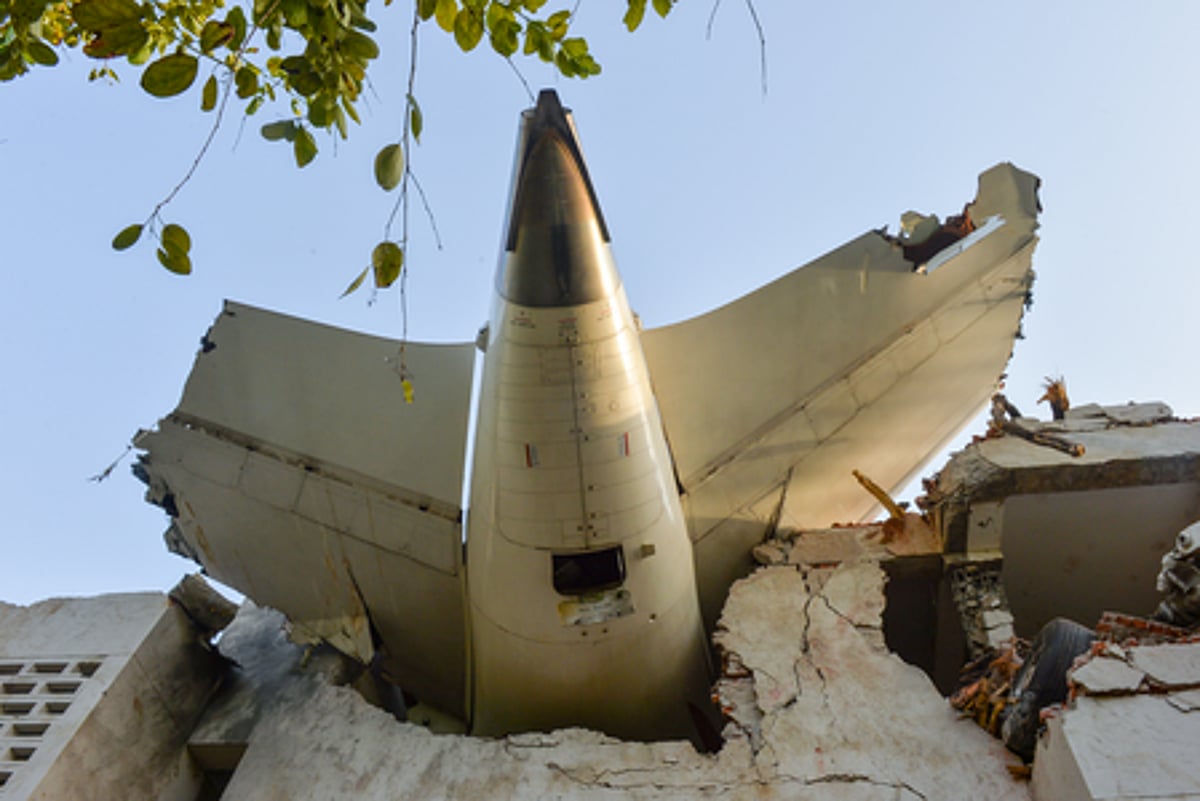
One Year Since the Air India Crash No Investigation Report Questions Remain
localnews8.com
Russias Overwhelming Manpower Advantage Against Ukraine Is Starting to Wane

birminghammail.co.uk
Two Dwp Benefits Being Handed
irishtimes.com
Cliff Taylor I Wont Waste My Time Writing About This Again

irishtimes.com