en.dailypakistan.com.pk · · PK
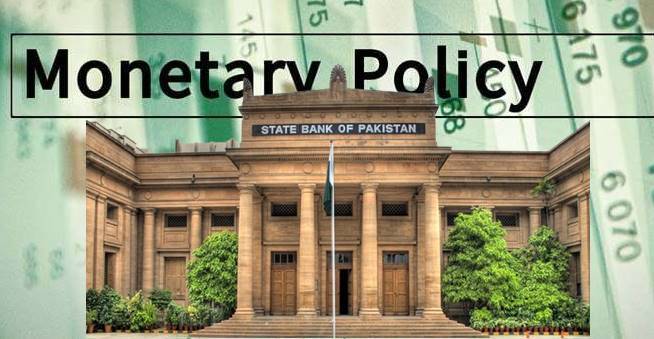
State Bank of Pakistan Keeps Interest Rate Unchanged Amid Cautious Monetary Stance
News Analysis — AI Analysis
Original analysis generated by News Analysis. This is our own commentary on the story, not the publisher's article text.
The State Bank of Pakistan (SBP) maintained the policy interest rate at 11.5% following its fourth Monetary Policy Committee meeting, adopting a cautious monetary stance. This decision reflects ongoing concerns regarding inflationary pressures and fiscal challenges, despite some easing in global oil prices and geopolitical tensions. The central bank indicated it will continue monitoring inflation trends and external account performance before considering future adjustments.
Key points
- SBP kept the policy rate unchanged at 11.5% after its latest MPC meeting.
- The decision was driven by a cautious stance amid persistent inflationary pressures and fiscal challenges.
- This follows a previous rate hike of 100 basis points implemented on April 27, 2026.
- Market expectations favored holding the rate steady, though views remained divided between maintaining or increasing rates.
- The central bank will closely monitor inflation trends and external account performance for future policy decisions.
Claims assessed
- VerifiableState Bank of Pakistan kept the policy rate unchanged at 11.5% following its fourth MPC meeting.
- VerifiableThe central bank's decision to hold rates was due to concerns over inflation and fiscal challenges.
- VerifiableSBP previously raised the policy rate by 100 basis points on April 27, 2026.
Missing context
The article does not provide detailed projections or timelines for when the SBP might reassess its stance or what specific thresholds (e.g., inflation targets) would trigger a change in policy.
Topic context
Related topics
The full article is on the original publisher site.
AI insight
AI-generatedGeopolitical tensions maintain upward cost pressure on global energy inputs (Brent/WTI) 2-3% higher over the next two days, driving inflationary concerns. This sustained energy inflation contributes to local monetary tightening in Pakistan, which moderates but does not eliminate currency depreciation risk. Main risk: If geopolitical risks de-escalate rapidly or if external financing stabilizes unexpectedly, the upward pressure on global commodities could quickly reverse.
The SBP maintaining a high policy rate (11.5%) signals continued monetary tightening to combat inflation and manage fiscal challenges. This increases the cost of borrowing for Pakistani entities, impacting local currency liquidity and potentially slowing economic activity across sectors (EM_INDUSTRIALS, EM_CONSUMER_STAPLES). The mention of oil price volatility suggests a direct link between global energy costs and Pakistan's domestic monetary policy/inflation pass-through.
Signals our AI researcher identified
Extracted by our AI model from this article and related public sources — not direct quotes from the publisher.
- State Bank of Pakistan (SBP) kept policy rate unchanged at 11.5%
- Decision cited inflationary pressures and fiscal challenges
- Previous increase was 100 basis points on April 27, 2026
- Factors include volatility in international oil prices and geopolitical tensions
Affected products & commodities
- Local credit/loans in Pakistani Rupee
- Inflationary pressures (CPI)
- Energy inputs (Oil prices)
Supply-chain signals
- Pakistan's external account performance
- International oil price volatility
Historical parallels
- Central bank rate holds amidst global commodity shocks (e.g., 2022-2023): Rates remain elevated to manage imported inflation and stabilize the local currency, leading to slower domestic growth but potentially stabilizing exchange rates.
This analysis would be wrong if
If a concrete timeline for major supply route stabilization (e.g., Strait of Hormuz) is published, or if Pakistan receives unexpected, massive IMF/bilateral funding that immediately resolves BoP concerns.
Persistent global energy cost pressures ensure sustained higher input costs across the economy for the next quarter.
Sign in to see all sector verdicts, full thesis and counter-argument debate.
Sector impact at a glance
- EM_BANKINGshort
- FX_EMmid
- FX_EMshort
- GLOBAL_ENERGYmid
- GLOBAL_ENERGYshort
Related stories

theguardian.com
Rba Interest Rate Announcement Decision Cash Rates Economy Unemployment Inflation

wral.com
9a65c all eyes turn to fed chair kevin warsh and his first moves on interest rates
economictimes.indiatimes.com
US Stock Market Warsh Faces Key Test as New Fed Chair Amid Inflation Concerns
abcnews.com
Bank Japan Raises Key Interest Rate Decade High
wral.com