www.businesstoday.in · · IN
Rubios Remarks Will Further Inflame Anti US Sentiment American Expert After Indian Sailors Deaths 536751 2026 06 14
News Analysis — AI Analysis
Original analysis generated by News Analysis. This is our own commentary on the story, not the publisher's article text.
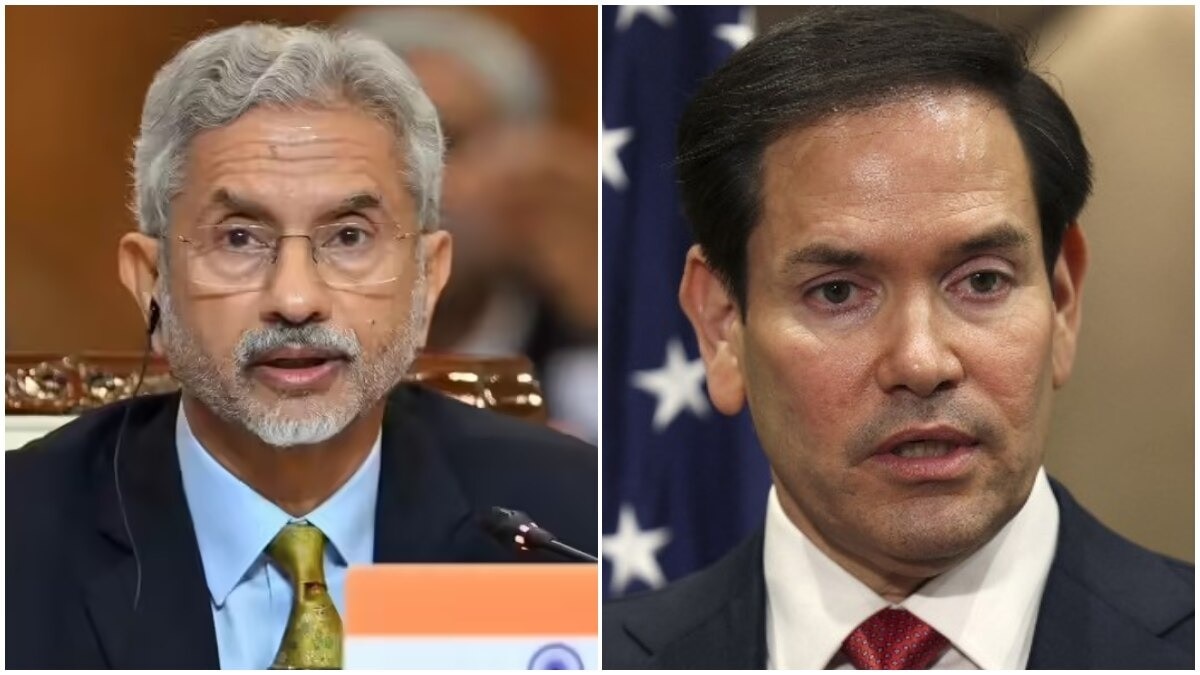
An American foreign policy analyst criticized US Secretary of State Marco Rubio's remarks following India's protest over the deaths of three Indian sailors during a US military strike in the Gulf of Oman. The expert argued that Rubio's statement was insensitive and risked worsening anti-American sentiment in India because it failed to acknowledge India's losses. This diplomatic tension follows multiple recent attacks on commercial vessels with Indian crews in the region.
Key points
- An American analyst criticized Secretary of State Marco Rubio for remarks deemed 'tone deaf,' arguing they would inflame anti-US sentiment in India.
- The criticism arose after External Affairs Minister S Jaishankar raised India's protest regarding three Indian mariners killed during a US military strike off Oman.
- While India focused on the loss of life, the official US State Department readout emphasized enforcing Washington's naval blockade and compliance with US forces in the Strait of Hormuz.
- Former Foreign Secretary Nirupama Rao noted that the diplomatic exchange highlighted a global trend where power is communicated through sanctions and coercion rather than soft diplomacy.
- The recent row follows several attacks on commercial vessels, including one incident resulting in three Indian deaths, as the US enforces its blockade amid regional tensions.
Claims assessed
- VerifiableAmerican expert Derek Grossman stated that Secretary of State Marco Rubio's remarks were insensitive and would worsen anti-US sentiment because they did not express condolences for India’s loss of life.
- VerifiableThe US State Department's account of the meeting between Rubio and Jaishankar focused on enforcing Washington's naval blockade around Iran, rather than addressing India's protest over casualties.
- VerifiableIndia has strongly objected to recent attacks by the US military on commercial vessels with Indian crews in the Gulf region, citing multiple incidents including one death.
Missing context
The article does not provide details on the specific international legal justifications or evidence used by the US military to determine that the vessels targeted were attempting to violate the blockade or transport illicit oil.
Topic context
Related topics
The full article is on the original publisher site.
AI insight
AI-generatedGeopolitical tension pushes War Risk Clauses (WRC) premiums 5-10% higher and maintains elevated freight rates in the short term. Key risk: The magnitude of rate spikes is likely moderated by insurers' existing reserves, while sustained high costs are threatened by a potential global economic slowdown.
The incident highlights geopolitical risk and heightened maritime tensions (Gulf of Oman/Arabian Sea). This increases war risk premiums, directly impacting insurance costs for shipping vessels and raising operational risks for global logistics routes. The primary affected parties are international shipping companies and energy importers relying on the Strait of Hormuz.
Signals our AI researcher identified
Extracted by our AI model from this article and related public sources — not direct quotes from the publisher.
- US military strike on Settebello tanker in Gulf of Oman.
- India protested the deaths of three Indian mariners.
- Tensions escalated due to US enforcement of naval blockade around Iran.
- Indian officials labeled strikes as unacceptable.
Affected products & commodities
- Shipping insurance premiums
- Oil/LNG transit rates (via Gulf of Oman)
- Maritime security services
Supply-chain signals
- Gulf of Oman shipping route stability
- Insurance coverage for tankers and cargo vessels
- Increased risk premium on maritime transport routes
Historical parallels
- Geopolitical tensions in the Strait of Hormuz historically lead to immediate spikes in war risk insurance premiums (e.g., War Risk Clauses) and temporary rerouting/delays for tankers, increasing freight costs.
This analysis would be wrong if
If major energy consumers drastically cut import demand or if diplomatic talks lead to an immediate, verifiable de-escalation in the Gulf of Oman/Strait of Hormuz.
Mid-term insurance rates will remain elevated and volatile due to persistent geopolitical uncertainty; therefore GLOBAL_INSURANCE is affected up.
Sign in to see all sector verdicts, full thesis and counter-argument debate.
Sector impact at a glance
- EM_TRANSPORTshort
- GLOBAL_INSURANCEmid
- GLOBAL_INSURANCEshort
- LOGISTICS_SHIPPINGmid
- LOGISTICS_SHIPPINGshort
Related stories

timesofsandiego.com
San Diego White Supremacist Violence Islamic Center Attack

links.org.au
Bolivian Uprising

twincities.com
Trump Says Hell Sign Deal With Iran to Reopen Hormuz Sunday 5
timesofindia.indiatimes.com
Yogis Up Beats National Violent Crime Decline Across 5 Key Categories
yahoo.com