www.tribuneindia.com ·
Obedient Servant Complies With Orders Rahul Gandhi Slams Pm Modi Over US Remarks After Killing of 3 Indian Sailors
News Analysis — AI Analysis
Original analysis generated by News Analysis. This is our own commentary on the story, not the publisher's article text.
Congress leader Rahul Gandhi criticized Prime Minister Narendra Modi for his perceived compliance with US policy following the deaths of three Indian sailors in American attacks. Gandhi accused PM Modi of being an "obedient servant" who fails to defend national honor because he is beholden to foreign powers. The criticism arose after the US conveyed its stance on blockades and maritime violations in the Strait of Hormuz.
Key points
- Rahul Gandhi criticized PM Modi for his perceived deference to the United States regarding maritime issues in the Gulf of Oman.
- The controversy followed three Indian sailors being killed during American attacks off the coast of Oman.
- US officials stressed that commercial vessels must comply with US orders and warned against violations of the blockade or illicit oil transport.
- India lodged strong protests through its External Affairs Minister, S Jaishankar, regarding the lethal strikes on Indian ships.
- The article notes ongoing maritime disruptions in the Strait of Hormuz due to blockades and recent attacks.
Claims assessed
- VerifiableRahul Gandhi stated that PM Modi is an "obedient servant" who fails to defend national honor because he is beholden to foreign powers.
- VerifiableThe US conveyed to India that violations of its blockade in the Strait of Hormuz and illicit transport of Iranian oil will not be tolerated.
- VerifiableThree Indian vessels with crew members were attacked off the Oman coast, resulting in three deaths.
- VerifiableUS President Donald Trump accused Iran of carrying out drone attacks against Indian ships leaving the Strait of Hormuz.
Missing context
The article does not provide the full context or details regarding the specific US military operations that led to the deaths of the three Indian sailors, nor does it detail India's planned diplomatic or economic responses beyond lodging protests.
Topic context
The full article is on the original publisher site.
AI insight
AI-generatedGeopolitical tension in the Strait of Hormuz will cause an immediate upward spike (2-4%) in crude oil futures and sharply increase maritime insurance costs within 48 hours. Main risk: if the initial energy price shock is limited to insurance premiums rather than a physical supply halt, or if central banks successfully intervene in EM currencies.
The news centers on geopolitical tension (India-US/Iran) affecting maritime security and commercial shipping routes. The primary commercial mechanism is the risk of disruption to oil transport through the Strait of Hormuz, which directly impacts global energy supply and insurance costs for shipping lines.
Signals our AI researcher identified
Extracted by our AI model from this article and related public sources — not direct quotes from the publisher.
- US maintains naval blockade in Strait of Hormuz since April 13.
- Three Indian sailors killed by US military attacks.
- Indian External Affairs Minister lodged protest with US Secretary of State.
Affected products & commodities
- Crude Oil
- LNG
- Shipping Insurance
Supply-chain signals
- Strait of Hormuz transit security
- Indian maritime trade routes
Historical parallels
- Geopolitical tensions in the Strait of Hormuz historically lead to immediate spikes in crude oil futures (WTI/Brent) and increased shipping insurance premiums, forcing energy importers to hedge against supply disruption.
This analysis would be wrong if
If major insurers negotiate temporary risk mitigation agreements that stabilize War Risk Premiums, or if concrete data proves sufficient alternative tanker capacity exists outside the Strait of Hormuz.
Sustained risk of disruption forces carriers to adopt longer, more expensive routes, increasing overall freight rates. The key risk is that the rate increase depends on demand for alternative routes, not just guaranteed cost pass-through.
Sign in to see all sector verdicts, full thesis and counter-argument debate.
Sector impact at a glance
- FX_EMshort
- GLOBAL_ENERGYmid
- GLOBAL_ENERGYshort
- LOGISTICS_SHIPPINGmid
- LOGISTICS_SHIPPINGshort
Related stories

oneindia.com
Tear Gas Baton Charge at Patliputra Station as Bihar Police Exam Candidates Protest Travel Woes
oneindia.com
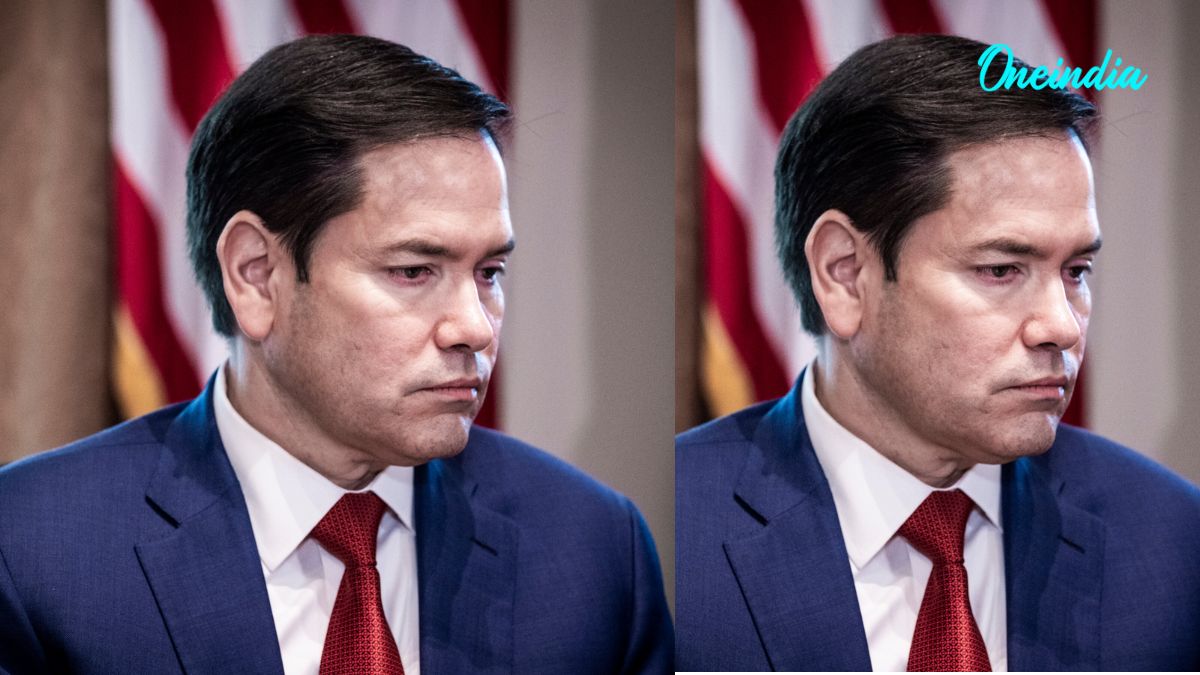
US Blockade Violations Will Not Be Tolerated Marco Rubio Defends Hormuz Operations After Jaishank
winnipegfreepress.com
Qatari Mediators Travel to Tehran for Final Touches on a Possible Deal to End War
yahoo.com
Ukraine Targets Russian Industrial Facilities

independent.co.uk