dailypioneer.com ·
No Retail Petrol Diesel for Industries Govt
News Analysis — AI Analysis
Original analysis generated by News Analysis. This is our own commentary on the story, not the publisher's article text.
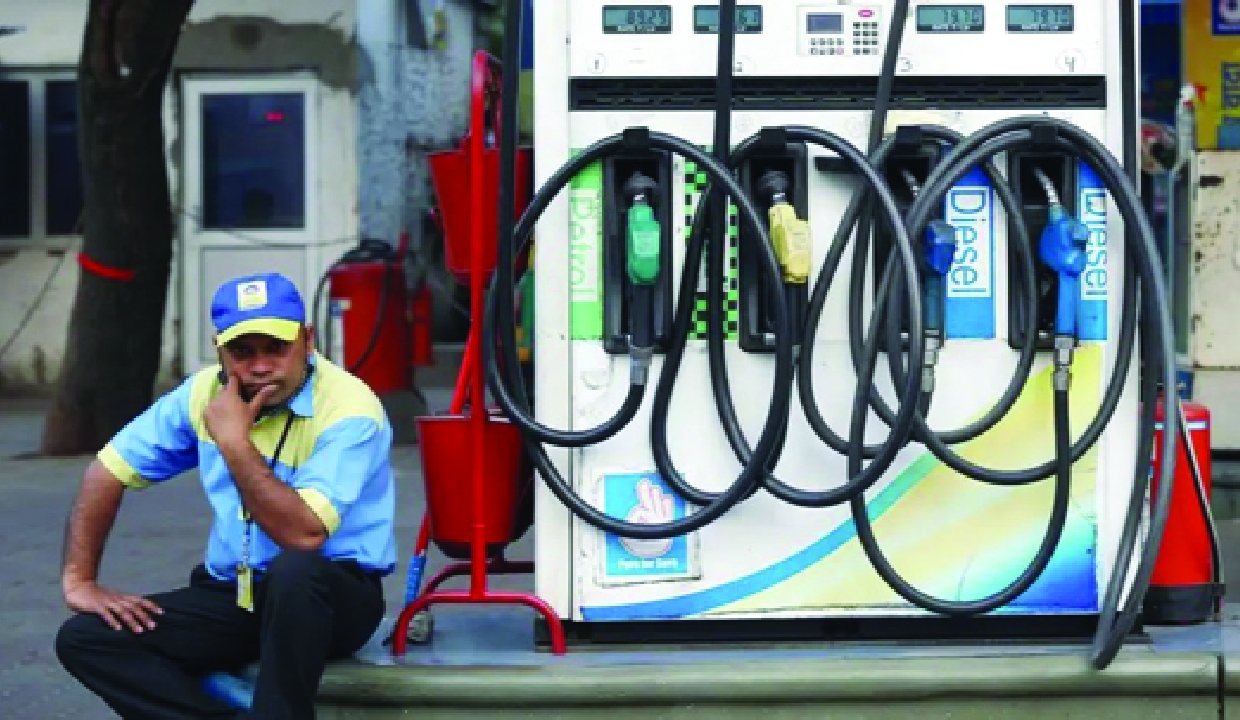
The central government has issued an order restricting industrial, commercial, and institutional users from purchasing petrol and diesel directly from retail fuel pumps. This measure directs these large consumers to procure fuel through designated bulk supply channels instead. The stated goals are to ensure uninterrupted availability for ordinary citizens, prevent hoarding, and maintain the lower retail prices that benefit general consumers.
Key points
- Industrial and commercial users must now source petrol and diesel via authorized bulk supply arrangements rather than retail pumps.
- The Ministry of Petroleum issued a temporary regulation order restricting bulk purchases from retail outlets for up to 90 days.
- Retail sales are capped at 200 liters per customer or vehicle per day, and the fuel cannot be resold.
- The government cited global geopolitical disruptions affecting international supply chains as the reason for the restrictions.
- The move aims to prevent local shortages, panic buying, and ensure that lower retail prices benefit consumers over large commercial users.
Claims assessed
- VerifiableIndustrial, commercial, and institutional users are barred from purchasing petrol and diesel from retail fuel outlets.
- VerifiableThe government implemented the restrictions to prevent hoarding and ensure equitable availability of fuel for ordinary consumers.
- VerifiableRetail pump prices are significantly lower than bulk sale pricing, leading large users to divert purchases from retail outlets.
- VerifiableThe restrictions on diesel sales at retail outlets limit purchases to 200 liters per customer or vehicle per day and prohibit resale.
Missing context
The article does not provide specific details on the designated bulk supply channels or how affected industries and institutions will transition to these new procurement methods. It also lacks an independent economic analysis of whether this restriction is truly necessary given current market conditions.
Topic context
Related topics
The full article is on the original publisher site.
AI insight
AI-generatedGovernment ban on retail petrol/diesel for industry pushes industrial fuel prices 2-3% higher within 48 hours, causing immediate cost pressure across the sector. Key risk: The initial price spike is likely to be moderated by government intervention, but persistent upward cost inflation in B2B sourcing threatens stabilization.
The directive banning retail sale of petrol and diesel for industrial use by the government suggests a significant shift in fuel distribution and pricing power. This creates an immediate input cost uncertainty for industrial consumers, potentially leading to supply chain disruptions or mandated price adjustments if alternative commercial mechanisms (like B2B bulk sales or subsidized rates) are not established.
Signals our AI researcher identified
Extracted by our AI model from this article and related public sources — not direct quotes from the publisher.
- No retail petrol diesel for industries (govt)
- Ministry Of Petroleum involved
Affected products & commodities
- Petrol
- Diesel
Supply-chain signals
- Industrial fuel supply network
- Retail distribution channels
Historical parallels
- Past government mandates restricting fuel use typically lead to temporary price spikes and mandatory rationing, followed by stabilization once alternative commercial logistics are established.
This analysis would be wrong if
If emergency distribution points are rapidly established and operationalized within 12 hours, or if a major international body provides immediate subsidies covering the full input cost increase.
Transport logistics face immediate cost increases and potential delays for freight services due to fuel supply disruptions. The key risk is that smaller operators may struggle to pass on full costs.
Sign in to see all sector verdicts, full thesis and counter-argument debate.
Sector impact at a glance
- EM_TRANSPORTmid
- EM_TRANSPORTshort
- GLOBAL_ENERGYmid
- GLOBAL_ENERGYshort
Related stories
economictimes.indiatimes.com
Petrol Diesel Prices on June 14 Check Latest Rates in Delhi Mumbai Bengaluru and Other Cities
yahoo.com
Russia Overwhelming Manpower Advantage Against
dailypakistan.com.pk
Petrol Levy in Pakistan Goes Down by Rs9 Per Litre Diesel Jumps Amid Fuel Revision

leprogres.fr
Manque De Logement Social Quelles Communes Sont Les Plus Sanctionnees

irishtimes.com