www.theguardian.com ·
Vladimir Putin Ukraine War Borders Russian President

News Analysis — AI Analysis
Original analysis generated by News Analysis. This is our own commentary on the story, not the publisher's article text.
The article analyzes the potential reactions of Vladimir Putin if he faces military defeat in Ukraine, suggesting that a desperate leader is likely to escalate conflict rather than seek peace. While Ukrainian forces are reportedly gaining ground and Russian military power is faltering, the author warns that an out-of-touch Putin may double down by expanding the war beyond Ukraine's borders, potentially drawing NATO members into direct confrontation.
Key points
- Ukrainian drones and missiles have significantly challenged Russian forces, leading to stalled advances and reversals in some areas.
- Western analysts suggest Russia's military combat power is declining, with reports of high casualties for the invading forces.
- The author posits that Putin, who views Russia as a superpower, may not fully grasp the severity of his defeat.
- Instead of negotiating peace, Putin is predicted to escalate conflict by expanding the war zone beyond Ukraine's borders.
- Intelligence sources warn that Russian tactics involve exporting chaos and accelerating sabotage across international domains.
Claims assessed
- VerifiableUkrainian forces are using sophisticated weaponry to force Russia onto the defensive, causing significant losses for the invaders.
- VerifiableWestern experts believe that Putin will escalate conflict rather than negotiate a peace agreement.
- VerifiableThe head of MI6 warned that Russia's approach to international engagement involves exporting chaos.
Missing context
The article does not provide specific details regarding the current status of diplomatic efforts or any concrete steps that international bodies (beyond general warnings) are taking to prevent a wider conflict.
Topic context
The full article is on the original publisher site.
AI insight
AI-generatedGeopolitical risk pushes Oil/Gas commodity prices up short-term (2-4 days) and increases industrial input costs, while defense contractors benefit from sustained structural demand. Key risk: The immediate magnitude of these spikes is moderated by global inventory buffers and existing supply chain resilience.
The primary commercial mechanism is geopolitical risk and escalating conflict. The focus is on military/security spending (AEROSPACE_DEFENSE, GLOBAL_INDUSTRIALS) and the impact of sanctions (GLOBAL_ENERGY, EM_INDUSTRIALS). Increased tension raises input costs for energy and raw materials globally due to supply uncertainty and potential disruption in key trade routes. Winners are defense contractors; losers include Russian exporters.
Signals our AI researcher identified
Extracted by our AI model from this article and related public sources — not direct quotes from the publisher.
- Russian casualties reportedly reaching 30,000 per month
- EU imposing additional sanctions on Russia
- Formal EU membership talks with Ukraine opened
- Conflict has lasted longer than World War I
Affected products & commodities
- Energy commodities (Oil, Gas)
- Military hardware
- Defense services
Supply-chain signals
- Global shipping route stability
- Sanction compliance costs
- Defense industrial base utilization
Historical parallels
- Previous escalations in Eastern Europe have led to immediate spikes in natural gas and oil prices due to supply fears, followed by long-term structural shifts in energy sourcing (e.g., LNG expansion).
This analysis would be wrong if
If major pipelines or key physical shipping routes are demonstrably cut off, or if a concrete timeline for massive military hardware delivery/payment schedules is published.
Long-term structural increases in defense spending provide sustained revenue uplift for specialized services and machinery (2-4 weeks).
Sign in to see all sector verdicts, full thesis and counter-argument debate.
Sector impact at a glance
- AEROSPACE_DEFENSEmid
- AEROSPACE_DEFENSEshort
- EM_INDUSTRIALSmid
- EM_INDUSTRIALSshort
- GLOBAL_ENERGYmid
- GLOBAL_ENERGYshort
Related stories

oneindia.com
Tear Gas Baton Charge at Patliputra Station as Bihar Police Exam Candidates Protest Travel Woes
oneindia.com
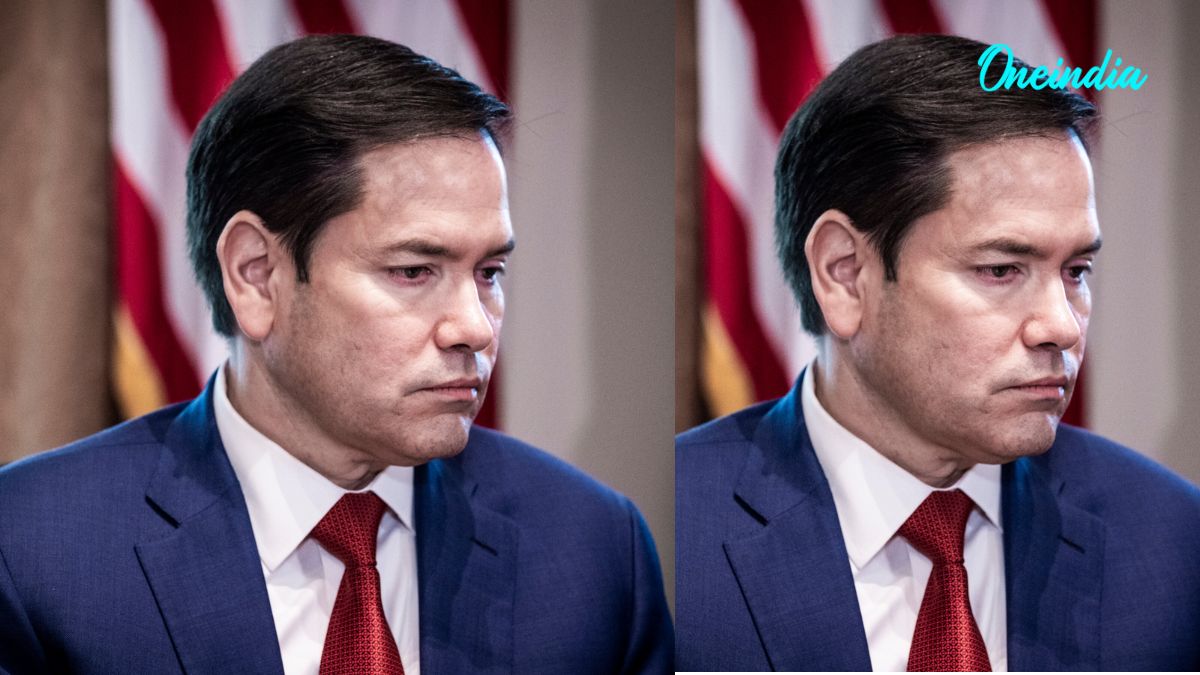
US Blockade Violations Will Not Be Tolerated Marco Rubio Defends Hormuz Operations After Jaishank
winnipegfreepress.com
Qatari Mediators Travel to Tehran for Final Touches on a Possible Deal to End War
yahoo.com
Ukraine Targets Russian Industrial Facilities

promptnewsonline.com