khabarindia.in · · IN
UK Seizes Sanctioned Russian Oil Tanker
News Analysis — AI Analysis
Original analysis generated by News Analysis. This is our own commentary on the story, not the publisher's article text.
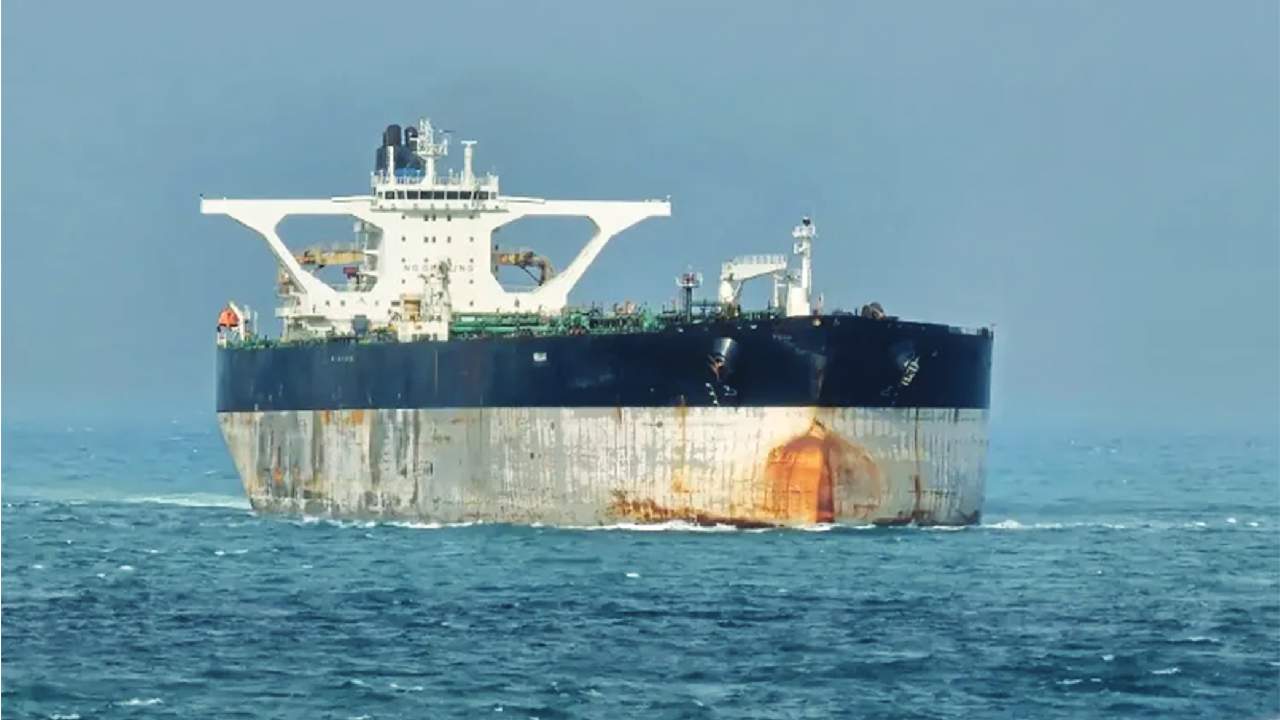
British authorities seized a Russian-linked oil tanker, named Smyrtos, in the English Channel following an operation involving Royal Marine Commandos and the National Crime Agency. This action is part of the UK's effort to enforce sanctions against Russia for its invasion of Ukraine. The seizure targets the vessel's alleged connection to Russia’s 'shadow fleet,' a network used to bypass international oil transport restrictions.
Key points
- The UK conducted the first such operation using armed forces against a sanctioned vessel in the English Channel.
- The tanker, Smyrtos, is currently anchored off the Dorset coast with 24 crew members remaining on board.
- British authorities allege the vessel belongs to Russia's 'shadow fleet,' which circumvents international sanctions.
- The operation was planned over several weeks and involved coordination with France.
- Prime Minister Sir Keir Starmer framed the seizure as a major disruption to Russia’s war financing efforts.
Claims assessed
- VerifiableBritish authorities arrested an Indian national following the seizure of a Russian-linked oil tanker in the English Channel.
- VerifiableThe operation was conducted by the National Crime Agency and Royal Marine Commandos, who boarded the vessel using a helicopter.
- VerifiableThe tanker, Smyrtos, is alleged to be part of Russia’s 'shadow fleet' used for transporting oil despite international sanctions.
- VerifiableThe vessel reportedly departed from Russia’s Ust-Luga oil terminal near St. Petersburg on June 5 before entering the English Channel.
Missing context
Details regarding the specific legal basis or international agreements that allowed the UK to conduct this interception in international waters are not provided. Furthermore, the fate of the arrested Indian national is unknown.
Topic context
Related topics
The full article is on the original publisher site.
AI insight
AI-generatedSanctions enforcement pushes benchmark crude oil prices 2-3% higher and boosts energy freight rates by 2-3% within the next few days. GLOBAL_ENERGY and LOGISTICS_SHIPPING face immediate cost pressure, while COMMODITY_OIL's spike is likely a temporary risk premium. Main risk: If sanctions expand or mandate compliance costs become structural, sustained upward pressure will persist.
The seizure of a Russian-linked oil tanker directly disrupts Russia's ability to export crude oil via maritime routes, increasing the operational risk and compliance cost for all vessels traversing European waters. This action is primarily regulatory/geopolitical (sanctions enforcement) and affects global energy supply chains, potentially causing short-term price volatility in benchmark crude oils like Brent or WTI due to rerouting costs and uncertainty.
Signals our AI researcher identified
Extracted by our AI model from this article and related public sources — not direct quotes from the publisher.
- British authorities seized a Russian-linked oil tanker (Smyrtos)
- Operation conducted in the English Channel off Dorset coast
- Vessel was sanctioned since July 2025
- Action is part of UK sanctions enforcement against Russia
- Coordinated with France
Affected products & commodities
- Russian crude oil exports
- Global bunker fuel
- Crude oil (Brent/WTI)
Supply-chain signals
- Maritime sanctions enforcement
- European energy transit routes disruption
- Oil tanker movement restrictions
Historical parallels
- Previous sanctions actions (e.g., Russian oil export bans) have historically led to rerouting, increased insurance premiums, and temporary price spikes for energy imports in affected regions.
This analysis would be wrong if
If major oil producers implement quick, coordinated output increases or if the market successfully absorbs the shock through rapid inventory drawdowns and alternative sourcing.
The market is expected to stabilize as trade routes adjust and alternative supply mechanisms are integrated over the next 2-4 weeks. Key risk: Sustained upward pressure could persist because mandatory compliance costs fundamentally alter global trade flows.
Sign in to see all sector verdicts, full thesis and counter-argument debate.
Sector impact at a glance
- COMMODITY_OILmid
- COMMODITY_OILshort
- GLOBAL_ENERGYshort
- LOGISTICS_SHIPPINGmid
- LOGISTICS_SHIPPINGshort
Related stories

irishtimes.com
US Iran Peace Deal Strait of Hormuz Live Updates
english.aawsat.com
5284138 tentative deal reached end iran war and trump orders stop us naval blockade

philenews.com
US Iran Deal End War Reopen Strait of Hormuz Nuclear Talks

freemalaysiatoday.com
Swiss Crackdown on White Collar Crime Has a Timing Problem Says Prosecutor
businesstimes.com.sg